MowProHQ Blog/Pricing
Lawn Care Minimum Charge and Trip Fees
Calculate and explain lawn care minimum charges and travel fees using visit time, route distance, job costs, and service-area rules.
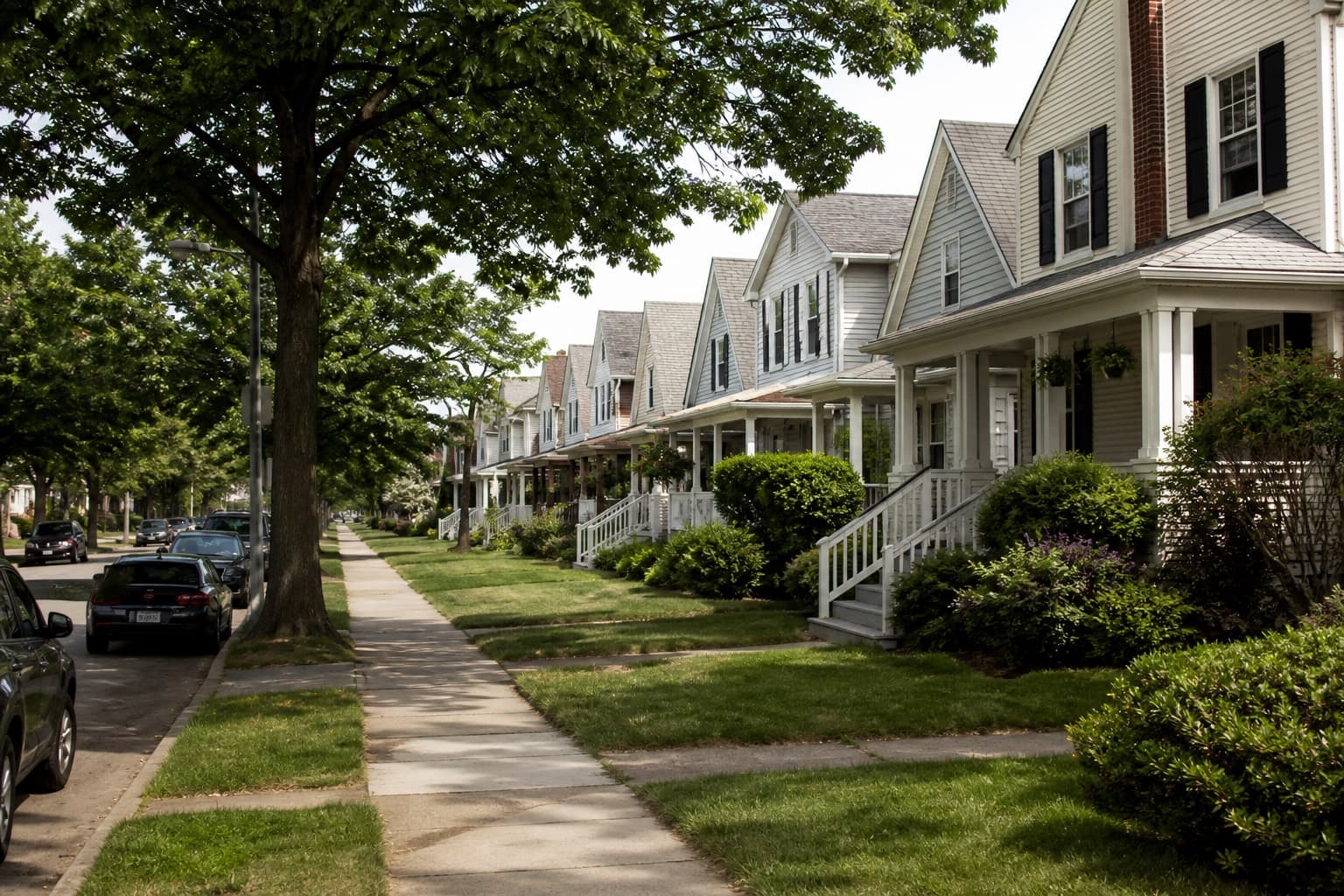
A small job can still be unprofitable when it requires a separate truck trip, setup, administration, and cleanup. A minimum charge sets the lowest viable visit price; a travel fee accounts for distance outside the standard route.
Use the hourly rate calculator for the floor, service-area radius for the map, and how to price jobs for the rest of the card.
Build the minimum from your costs
Start with the total time and cost required to serve the property:
- On-site labor and payroll burden
- A reasonable share of route travel
- Equipment, fuel, maintenance, and disposal
- Office, insurance, software, and payment overhead
- Target profit
| Situation | Default |
|---|---|
| Inside dense zone, easy lot | Package, above minimum |
| Tiny lot, long drive | Minimum + trip or decline |
| Edge of service area | Travel line or higher package |
| Well outside the route | Waitlist or decline |
Use the same calculation method for every quote, but allow the result to reflect the property's actual route context.

How to say the trip fee
On the quote: “Travel outside our standard service area: $X per visit.”
On the phone: “This property is outside our regular route. We can schedule it on the day we serve that area for $X, including travel, or place it on the waitlist until we add nearby work.”
Keep the explanation factual. The fee reflects added travel beyond the normal service area. If you use separate fuel or disposal charges, define those independently and disclose them before work.
Worked example
Suppose your calculated target is $110 per productive hour. A property adds 15 minutes of route travel and takes 20 minutes on site:
- Total allocated time: 35 minutes
- Time-based floor: 35 ÷ 60 × $110 = $64.17
- Round only after adding any job-specific material, disposal, or risk costs
This is an example, not a recommended market price. Substitute your own costs, target, and realistic time estimate.
Give temporary exceptions an end date
A temporary route-building price can help establish a new area, but it should still cover the work. Record the end date and the price that will apply if nearby density does not develop. Before changing an accepted recurring price, follow the notice terms in the customer agreement.
In MowProHQ
Explain the charge clearly
Small property: “Our minimum service visit is $X. It covers the crew, equipment, and standard route time required for each stop.”
Edge of the service area: “We can serve the property on [day] for $X, including the $Y travel charge, or contact you when we add more work nearby.”
Temporary route-building price: “The introductory price is $X through [date]. After that, the recurring price will be $Y unless we confirm a different rate in writing.”
Give office and field staff the same language. Pricing changes should be approved and recorded rather than improvised at the property.
Review the map every quarter
Routes change as customers are added or lost. A property once outside the route may become part of a dense cluster; another may become isolated. Review the service-area map, drive time, and account performance regularly.
If operating costs change, update the underlying price or use a clearly defined policy. Do not relabel a general price increase as a property-specific travel fee. See fuel and disposal fees.
HOAs and tiny lots
An HOA common area may still require a minimum if it involves a separate trip. Property size is only one input; travel, setup, access, administration, and service frequency also matter.
For townhomes, decide whether the work is one association account or several individual customer accounts. Multiple invoices add administrative and collection work even when the mowing occurs in one location. Price and document the billing arrangement before service.
Competitors may have different route density, equipment, overhead, or service scope. Compare the complete offer, but do not copy a price that falls below your own cost floor. A waitlist is a reasonable alternative while demand develops in a new area.
For multi-property owners or real estate managers, quote each property or a clearly defined portfolio package. Confirm which entity receives the invoice, how travel is allocated, and whether pricing changes if the expected group of properties is not activated.
Manage minimums and travel lines in MowProHQ
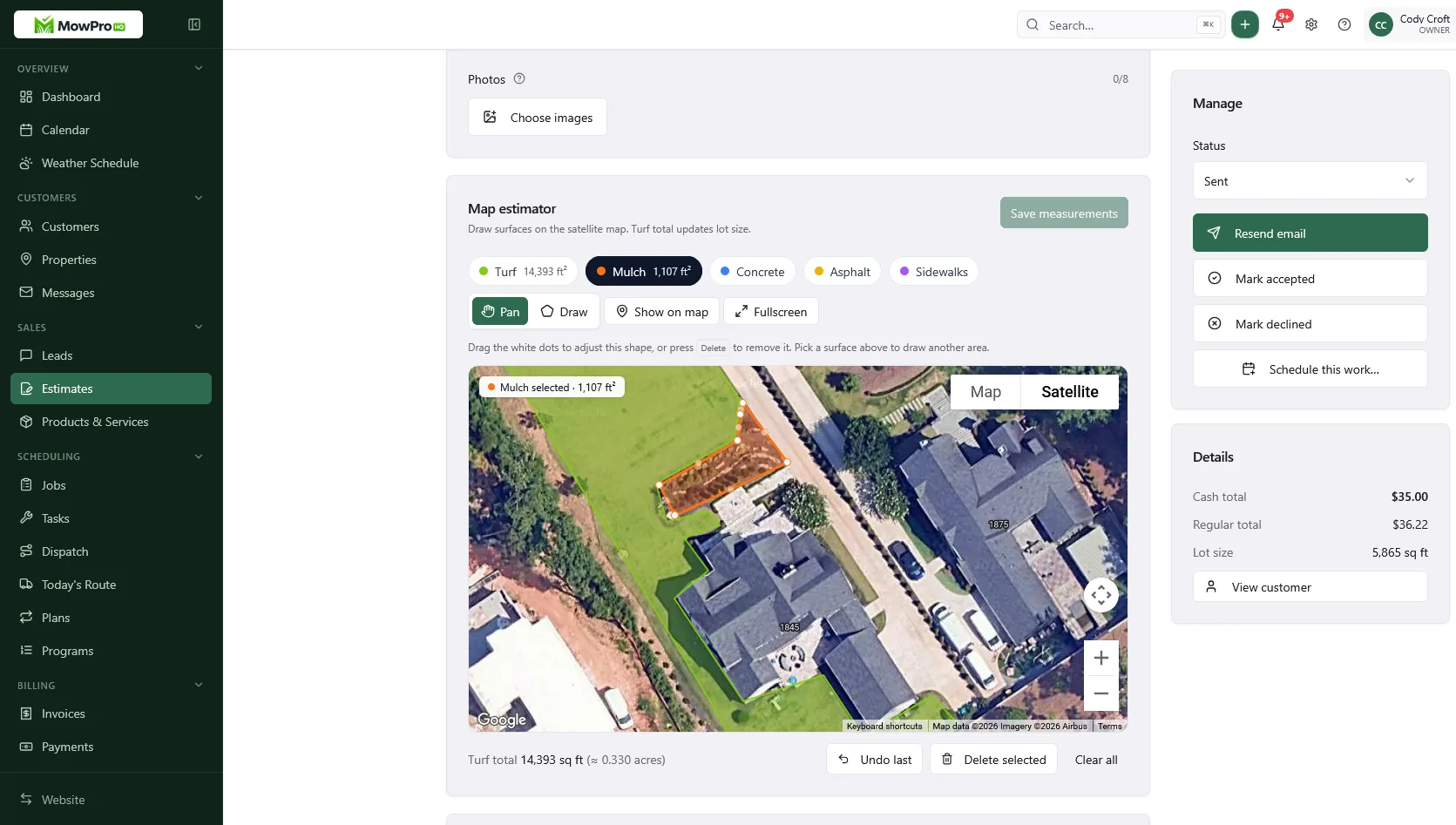
MowProHQ keeps service items, travel lines, quotes, customer records, and scheduled work connected so the approved price carries into the job.
Use the hourly-rate calculator to estimate your floor, review current plans and pricing, and create an account to test the quote and scheduling workflow.
Frequently asked questions
- What is a fair minimum charge for lawn mowing?
- Base the minimum on the smallest visit that still covers labor, equipment, overhead, payment costs, and allocated travel while meeting your target margin. There is no universal dollar amount because routes and costs differ.
- When should I add a trip fee for lawn care?
- Consider a disclosed travel fee or higher service price when a property is outside the standard service area or creates drive time that cannot be shared with nearby jobs. Declining or waitlisting the work may be better if the price would still not cover the trip.
- How do I explain a trip fee to a homeowner?
- Explain that the quoted price includes travel outside the normal route area. Show the amount before the customer accepts, and offer service on an established route day or a waitlist option when available.
- Should the minimum apply to add-ons too?
- Add-on services can have separate minimums when setup, labor, material, or disposal costs justify them. Price the added time and unit clearly even when the crew is already at the property.
- Is a trip fee the same as a fuel surcharge?
- No. A trip fee addresses travel associated with a property's location. Fuel is usually part of the underlying cost calculation or a separately disclosed surcharge policy. Avoid adding either fee after work without prior agreement.
- Can I waive the minimum for a neighbor of a good route?
- You can offer a documented introductory or route-building price if it still makes financial sense. Give any temporary exception an end date and explain what price applies afterward.
- How do trip fees relate to service area?
- Define the standard service area first. Properties near the edge may need a higher price or travel line, while distant properties may be declined or waitlisted until enough nearby demand develops.