MowProHQ Blog/Operations
When to Add (or Refuse) Snow Removal
A practical go-or-no-go guide for lawn care companies considering snow removal, including insurance, equipment, staffing, pricing, and capacity.
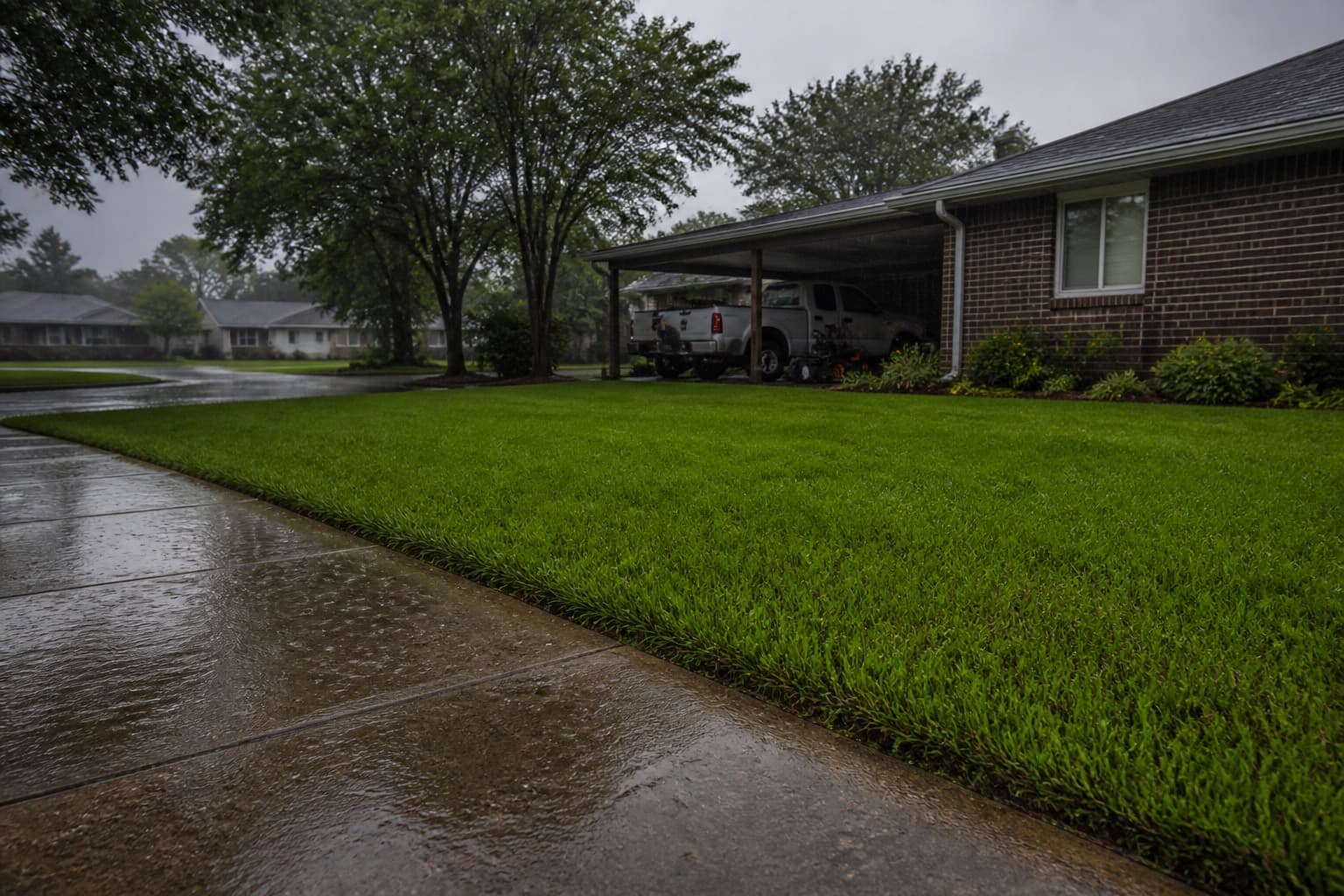
Snow removal uses many of the same customers, trucks, and employees as lawn care, but the operating demands are different. Work happens overnight, service windows are tight, ice creates additional risk, and weather determines when the crew must respond.
This is a business decision guide, not a plowing manual. Use it to evaluate whether insurance, equipment, staffing, pricing, and route capacity are ready before offering winter service.
The essential checks before you advertise
Complete these checks before accepting a deposit. If an essential requirement is not met, postpone the offer.
Insurance. Discuss the exact work with your insurance professional, including plowing, shoveling, deicing, and residential or commercial properties. Do not assume a lawn care policy covers winter operations. Ask local counsel about contracts and liability terms where appropriate.
Equipment. Confirm that trucks, plows, spreaders, shovels, lighting, and safety equipment are ready. Plan where snow will be stacked, how breakdowns will be handled, and whether backup equipment is actually available.
Staffing and dispatch. Name the dispatcher, drivers, shovel crew, and backup contacts. Define the accumulation trigger, start procedure, and priority between commercial and residential work before the forecast changes.
| Gate | Pass looks like | Fail looks like |
|---|---|---|
| Insurance | Written understanding of what is covered | “We should be fine” |
| Equipment | Named trucks and a backup plan | One plow, no spare |
| Standby | Named people and a trigger | “We’ll see how bad it is” |
| Scope | Drive / walk / stack / ice written | “We’ll take care of it” |
| Customer commitments | Service windows fit measured capacity | The route depends on ideal conditions |
Protect existing customer relationships
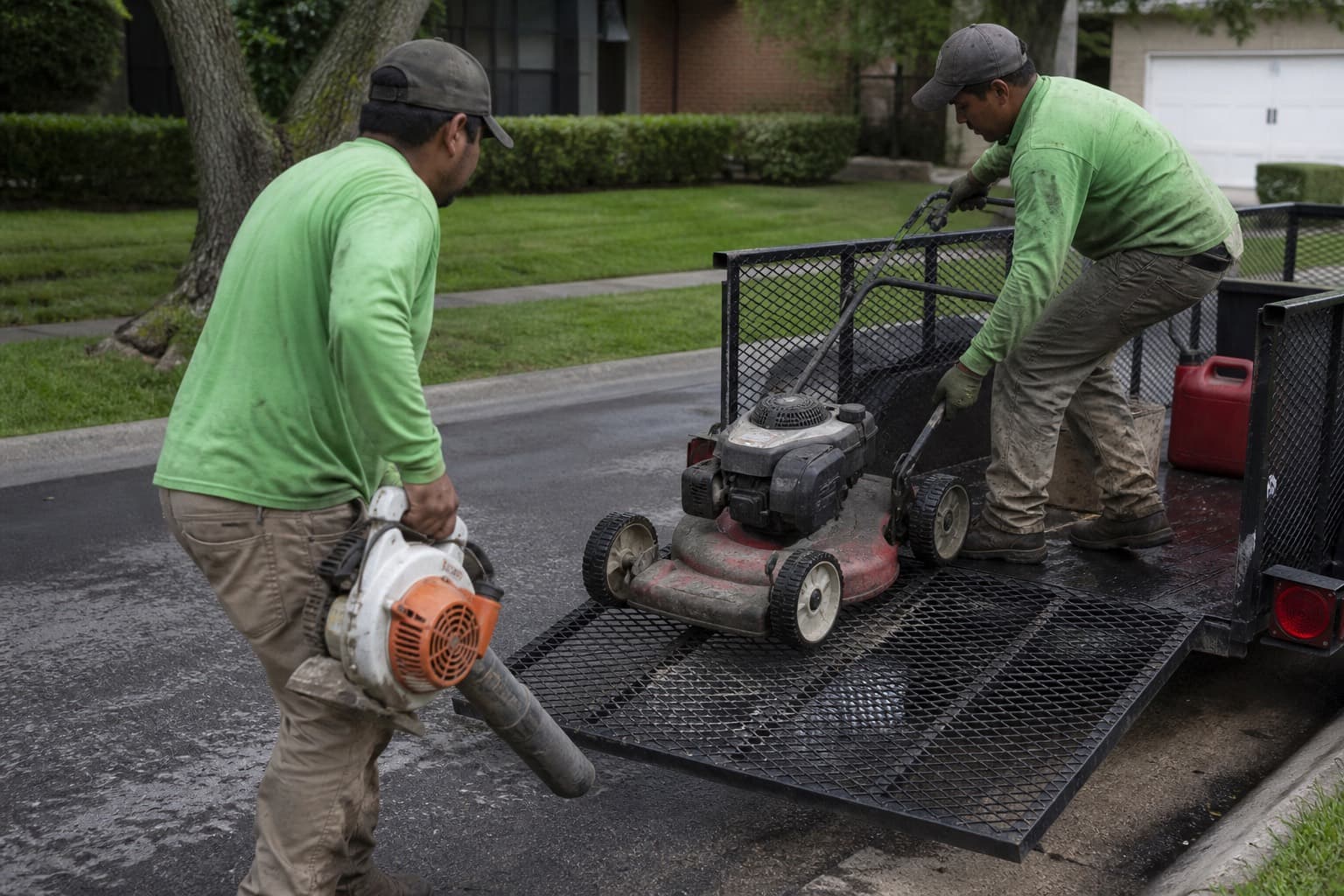
Existing lawn customers will judge the same company on missed snow service, property damage, and communication. Problems in January can affect renewals in spring.
Protect those relationships:
- Do not take a commercial lot that will consume every storm if your residential book is the company
- Do not sell walks and ice if you only have a truck and a blade
- Keep seasonal lawn customers informed during winter
- Document damage and follow through on agreed repairs
If the company cannot provide both services reliably, keep the established lawn operation as the priority. Winter can instead be used for recovery, equipment work, and end-of-season operations.
Define seasonal and per-push offers separately
Seasonal or standby pricing reserves service capacity for the customer. Base it on realistic snowfall and event assumptions, then define caps, overages, triggers, and exclusions.
Per-push pricing charges for each qualifying visit. Define the depth trigger, included surfaces, service window, and charges for ice, walks, repeat visits, or drifting.
Do not blend these models in a verbal promise. Put the selected billing model and service commitment in the agreement.
| Offer | Customer thinks they bought | You must write |
|---|---|---|
| Standby | You will be there every storm | Trigger, cap, extras, start time |
| Per-push | You come when they text | Response window, minimum, when you will say no |
| Informal arrangement | Availability without defined terms | Replace it with a written offer |
Treat ice management as a separate scope with its own staffing, materials, documentation, and insurance considerations. Decline it if the company cannot provide it safely and consistently.
Calculate overnight capacity
Snow work affects employee rest, overtime, maintenance, and capacity for repeat events.
Ask:
- How many drives can you finish before the commute window?
- What happens when two storms hit in three days?
- Who is off-limits (the only mechanic, the person who will not answer the phone)?
- What commercial stop, if any, is allowed to jump the residential list?
Write the route sequence and priority rules before the season. Reflect those decisions in the service windows promised to each customer.
A distant lot outside the normal service radius adds travel time during the most limited service window. Include that time when measuring route capacity.
If the first event runs beyond the promised windows, stop accepting new accounts and correct the route. Use a waitlist until actual performance shows available capacity.
In MowProHQ
When to refuse the work
Refuse snow when:
- You have not closed the insurance conversation
- Required equipment and backup capacity are not ready
- You are using winter work to avoid collecting summer invoices
- You cannot name who answers the 4 a.m. call
- The only reason is that competitors offer it
- A commercial offer will steal every event from the book that pays your summer
Decline ice management, roofs, and property types outside your training, coverage, or equipment capabilities. A qualified referral can still help the customer.
You can also stop accepting new work after building a small route. Keeping the existing list within capacity is more important than expanding the service area.
Tell customers early when snow service will not be offered so they have time to hire a specialist.
If you say yes, treat it like a real book
If the gates pass and you still want the work:
- Written scope per property: surfaces, stack zone, ice yes or no, trigger
- Written pricing and payment terms
- Confirmed roster with named backups
- A shared dispatch list so assignments do not depend on the owner’s memory
- Photos after incidents or jobs with likely damage questions
- A spring conversation: what snow did to turf edges, what you will repair, what you will not
Record known damage on the property when it occurs and follow up before spring. Photos and notes help distinguish company damage from preexisting conditions or work performed by others.
Reserve time for the off-season shop backlog. Mowers, blades, trailers, and trucks still need maintenance before spring.
In MowProHQ

Keep accepted winter work with the customer record
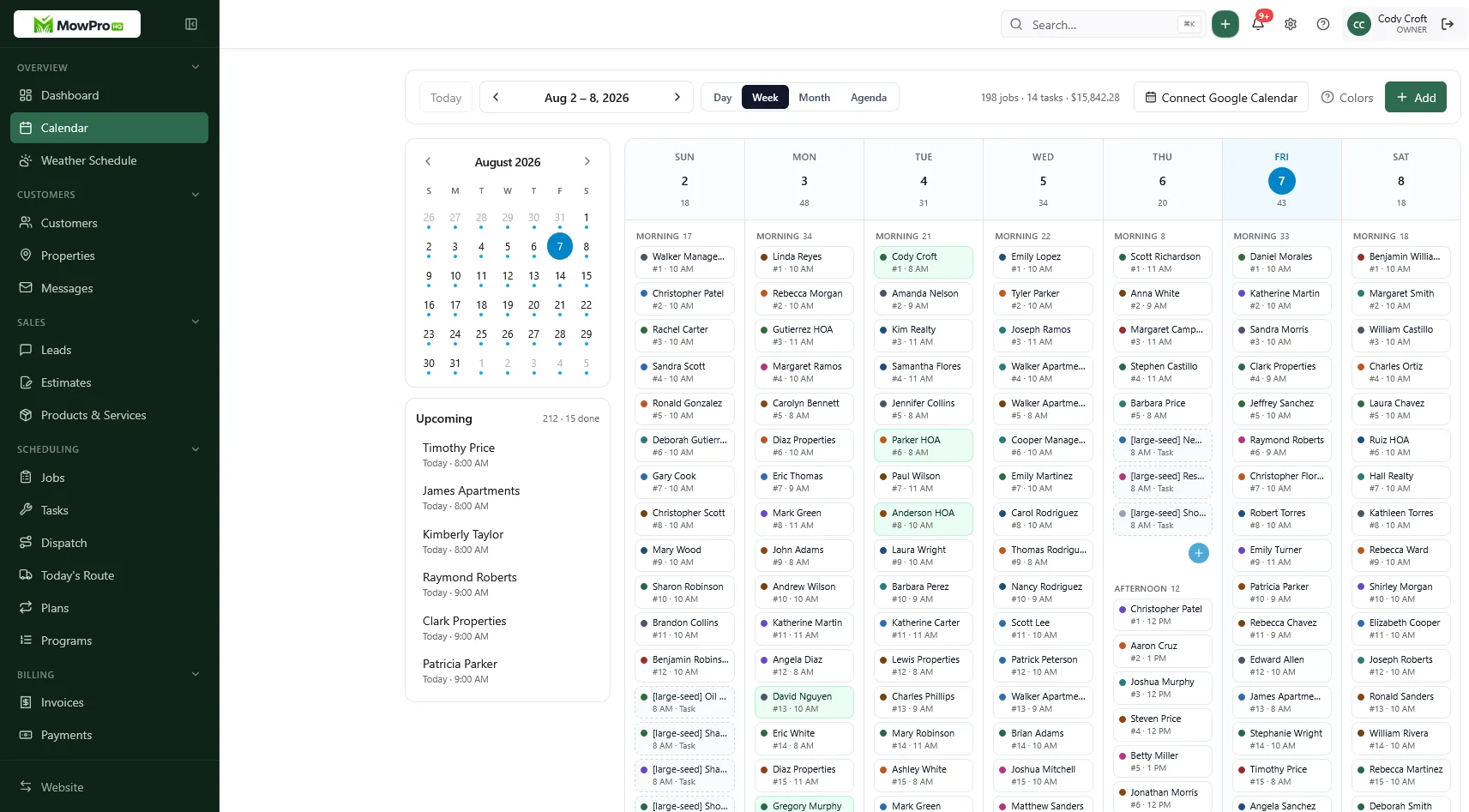
MowProHQ keeps winter quotes, property notes, scheduled work, customer messages, and invoices with the same customers you may serve again in spring. The website can also reflect whether snow service is currently offered.
Review current plans and pricing for dispatch, GPS, team access, and payment details. If the operational checks pass, create an account and test a small route before the first event.
Frequently asked questions
- Should a lawn care company add snow removal?
- Add snow only after confirming demand, insurance coverage, suitable equipment, overnight staffing, dispatch responsibility, and enough route capacity. If any essential requirement is unresolved, decline the work until it is ready.
- What do I need in place before I sell snow?
- Confirm coverage with your insurance professional, prepare reliable equipment and a backup plan, define the service scope and pricing, name the overnight dispatcher, and document who will drive and shovel.
- Will snow removal hurt my lawn care reputation?
- It can if missed service, property damage, or poor communication changes how existing customers view the company. Start with a limited route and set service windows the crew can consistently meet.
- How should lawn care companies think about snow pricing?
- Treat seasonal availability and per-push service as different offers. Define accumulation triggers, included work, event assumptions, caps, overages, service windows, and ice treatment before customers sign.
- Can I use the same crew for snow and mowing?
- Sometimes, but confirm each employee’s availability, qualifications, driving requirements, pay, and willingness to work overnight. Do not assume a summer employee is automatically part of the winter roster.
- When should I refuse snow work?
- Refuse work that is not covered, exceeds equipment or staffing capacity, sits outside a practical service area, or requires services such as ice management that you cannot safely and reliably provide.
- Is snow a good way to keep lawn care crews year-round?
- It can provide winter hours in markets with dependable demand, but snowfall is variable. Build staffing and payroll plans that can withstand a low-snow season instead of relying on weather alone.