
MowProHQ Blog/Operations
End-of-Season Lawn Care Operations: Close Strong, Start Ready
A practical end-of-season lawn care checklist for billing, customers, payroll, records, equipment storage, chemicals, taxes, and next spring.
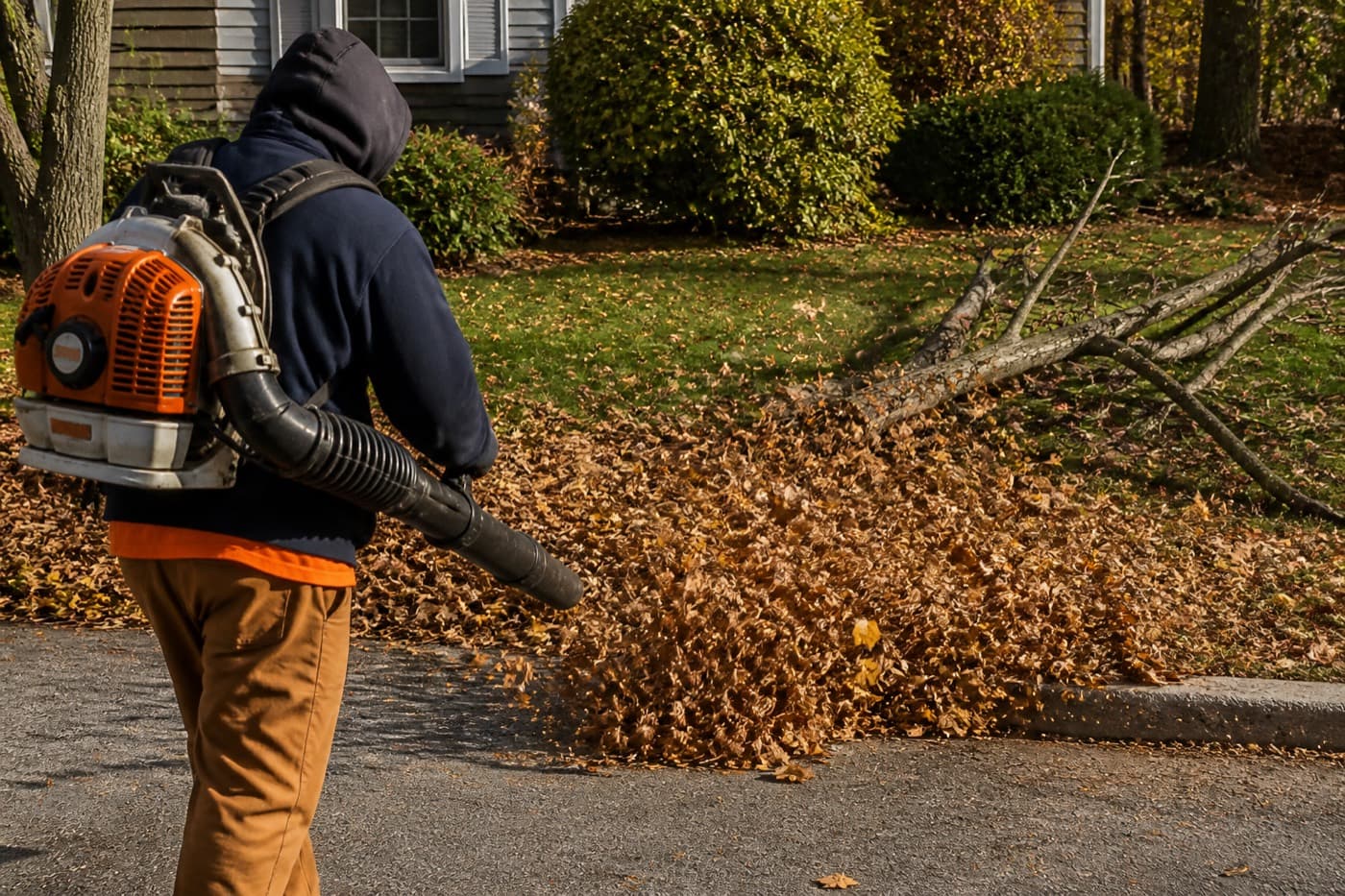
The final mow does not close the season by itself. A lawn care company still has work to invoice, customers to notify, employees to pay, equipment to store, chemicals to secure, and records to preserve.
Treat close-out as a short project with owners and deadlines. The order below works for many small lawn care businesses: confirm completed work, settle customer plans, close labor and records, protect equipment and materials, then build a realistic spring plan. Adjust it for your contracts, climate, services, and local rules.
1. Reconcile completed work and final invoices
Start with the service record, not the bank balance. Compare the schedule, crew completions, approved add-ons, photos, material use, and invoices. That catches work that was completed but never billed and charges that lack support.
During the last service weeks:
- Match each completed visit to an invoice or included contract item.
- Confirm that extras were authorized and documented before billing them.
- Correct skipped, duplicated, or incomplete visits.
- Send final invoices on your normal schedule.
- Review credits, deposits, refunds, disputes, and unpaid balances.
- Record the reason for any write-off or adjustment.
Use the same lawn care invoicing process customers saw during the season. For overdue accounts, follow the agreement and your documented invoice collections process. Avoid improvised fees, threats, or payment terms that were not disclosed.
| Account status | Close-out action | Record to keep |
|---|---|---|
| Completed, not invoiced | Verify scope and invoice promptly | Completion note, approval, photos |
| Invoiced, unpaid | Send the next written reminder in your process | Invoice and contact history |
| Disputed | Pause escalation while reviewing the facts | Estimate, contract, messages, site notes |
| Credit or deposit remains | Apply or refund it as required | Ledger entry and customer notice |
| Service was unprofitable | Flag for a spring scope or price review | Time, travel, material, and callback data |
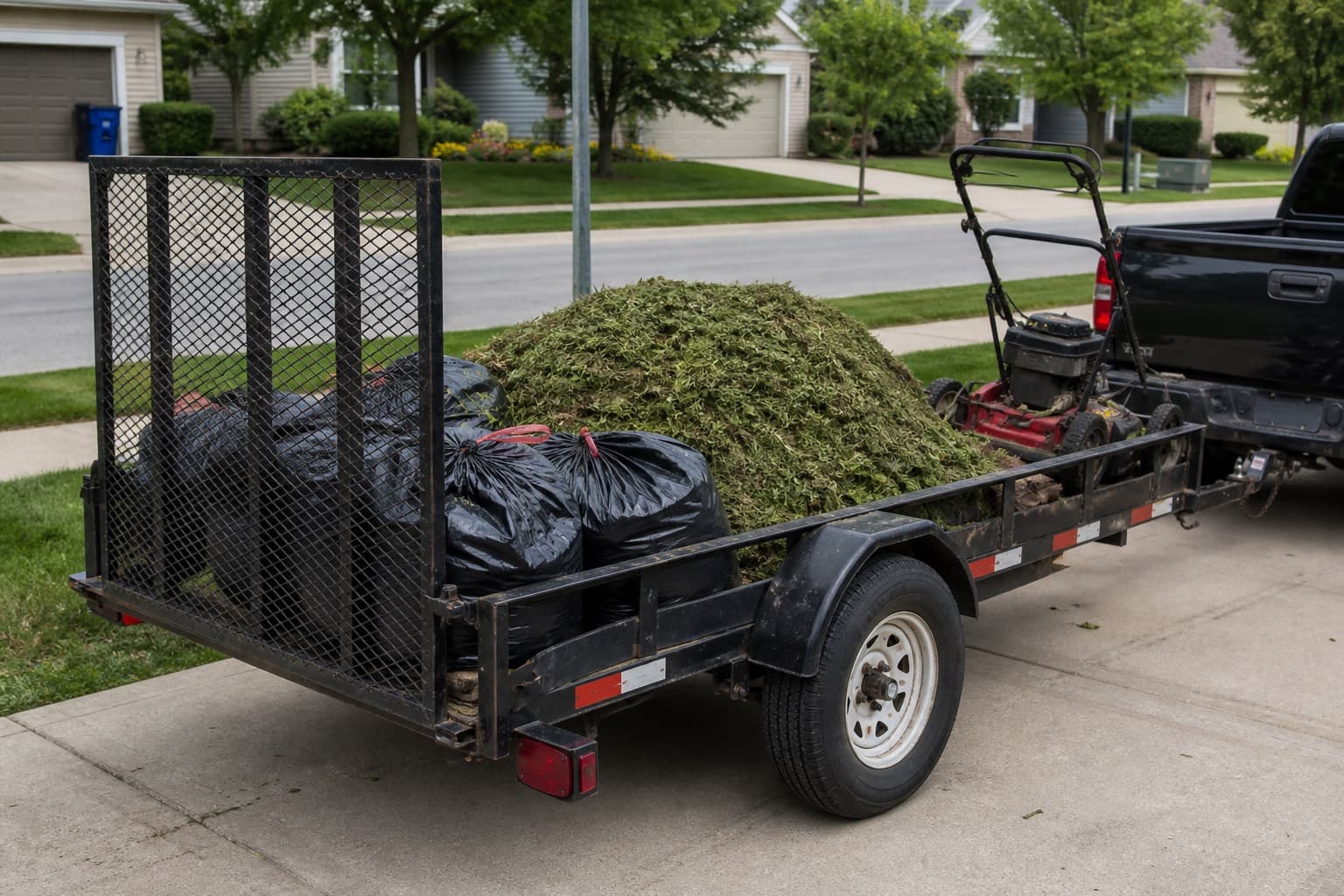
2. Tell customers exactly what happens next
Send a close-out notice before or with the final visit. It should state:
- The expected final service date or weather-dependent window
- Any remaining work and when it will be billed
- Whether service pauses, renews, or ends
- What happens to recurring payments
- The tentative spring restart window, if applicable
- How and by when the customer should request a change
Use a pause when the service relationship remains active but visits stop temporarily. Use a cancellation when the agreement ends. Preserve the property history either way; cancellation should not require deleting useful records.
For recurring mowing plans, review the contract and payment authorization before changing or continuing charges. A seasonal plan generally should not keep billing through a dormant period unless the agreed payment schedule clearly spreads seasonal work across the year. An annual program with winter services is different, but its scope and billing schedule should be explicit.
| Customer situation | Practical action | Important check |
|---|---|---|
| Returning seasonal customer | Pause with a restart window | Consent, price, and billing status |
| Customer requests cancellation | Confirm effective date in writing | Contract terms and final balance |
| Property is being sold | Confirm the responsible party | Do not transfer billing without authorization |
| Route area is being dropped | Give clear notice | Contract and local notice requirements |
| Commercial or HOA account | Follow the written agreement | Winter scope, renewal, and notice dates |
Do not promise an exact spring start months in advance if weather controls access and growth. A service window plus a confirmation date is more useful. Keep renewal prospects in a list so they can be scheduled before the spring rush.
A simple customer notice
Our expected final visit is during the week of [date], weather permitting. After that visit, your [service/plan] will [pause/end/continue with the listed winter services]. [Recurring billing will pause after the final invoice / payments will continue under the annual agreement dated ___]. We expect to confirm spring scheduling by [date]. Please reply by [date] if the property has sold or you want to change or cancel service.
Adapt the wording to the actual agreement. Keep the sent notice and any reply with the customer record. See texting lawn care customers for practical communication workflows.
3. Close payroll and seasonal staffing
Complete the final payroll with the same care as a busy-season payroll. Reconcile timecards, approved corrections, bonuses or commissions, reimbursements, deductions, paid leave, and final-pay obligations. Rules for pay timing, wage notices, record retention, and seasonal layoffs vary by jurisdiction, so confirm requirements with your payroll provider or a qualified local adviser.
- Approve all timecards and job-time corrections
- Pay wages and reimbursements by the required deadline
- Confirm employee contact and tax-form delivery information
- Document each worker’s status and expected return, if any
- Recover keys, cards, uniforms, devices, and company records
- Remove access that is no longer needed
- Record equipment damage or incidents without making improper deductions
If you use a crew timeclock, export or preserve the season’s records according to your retention policy. Do not rely only on a former employee’s phone or account for time, photos, or customer information.
4. Inspect, maintain, and store equipment cautiously
Create one list from operator notes and a physical inspection. Tag unsafe equipment out of service instead of assuming someone will remember the problem in spring.
| Asset | Inspect or document | Close-out action |
|---|---|---|
| Mowers | Guards, controls, blades, deck, belts, leaks, hours | Clean and service per the manual; tag defects |
| Handheld equipment | Guards, throttle, cutting parts, vibration, leaks | Repair or retire; store as directed |
| Trailers | Coupler, chains, breakaway system, lights, tires, ramps | Arrange qualified repair before use |
| Trucks | Warning lights, tires, brakes, fluids, maintenance due | Schedule appropriate service |
| PPE and first aid | Condition, fit, expiration, completeness | Replace damaged or expired items |
| Batteries and chargers | Damage, corrosion, recalls, charger match | Store and charge per manufacturer guidance |
Disconnect spark plugs, batteries, or power sources before maintenance when the manufacturer instructs you to do so. Stabilizing fuel, draining a system, fogging an engine, and battery charge levels are equipment-specific; follow the owner’s manual rather than a single shop rule for every machine. Use qualified technicians for repairs your team is not trained or equipped to perform.
Fuel and battery storage
Fuel and batteries can create fire, exposure, and environmental risks. Follow equipment and container labels, fire code, building rules, insurer requirements, and local guidance. At minimum:
- Use approved, labeled fuel containers and keep caps secure.
- Keep fuel away from ignition sources, living areas, and incompatible materials.
- Do not transfer fuel near hot equipment or in an unventilated space.
- Inspect batteries for swelling, cracks, heat, leaks, corrosion, or recall notices.
- Use the specified charger on a stable, suitable surface; do not charge damaged batteries.
- Keep battery terminals protected from accidental short circuits.
- Ask the local fire authority or hazardous-waste program how to handle limits, damaged batteries, stale fuel, and disposal.
Do not pour fuel, oil, chemicals, or battery contents onto the ground or into drains. Use an authorized collection or disposal option.
5. Secure chemicals and close application records
For pesticide, herbicide, fertilizer, and other chemical programs, the product label is the primary instruction for storage, handling, and disposal. Licensing, reporting, storage, spill planning, and recordkeeping rules vary by product and location.
- Inventory products by name, quantity, lot or batch information when available, and condition.
- Keep products in original labeled containers unless the label specifically allows otherwise.
- Secure the storage area from children, customers, animals, and unauthorized staff.
- Separate incompatible materials and protect products from temperatures or moisture outside label limits.
- Maintain labels, safety data sheets, application records, and required training records.
- Inspect for leaks or damaged containers without handling an unknown spill unprotected.
- Follow the label and local hazardous-waste guidance for disposal; do not reuse empty pesticide containers unless expressly allowed.
If a container is leaking or a spill may threaten people, drains, soil, or water, isolate the area and contact the appropriate emergency, environmental, or poison-control resource. Do not improvise a cleanup that conflicts with the label or local response guidance.
6. Organize business, tax, and service records
Good records support collections, payroll, tax preparation, insurance claims, licensing, and better pricing. Preserve them in a system the business can access, with appropriate backups and permissions.
Review:
- Invoices, payments, credits, deposits, and processor reports
- Payroll, contractor, reimbursement, and benefit records
- Receipts, mileage, equipment purchases, repairs, and disposals
- Vehicle and equipment logs
- Contracts, estimates, approvals, completion notes, and customer notices
- Chemical purchase, storage, and application records
- Licenses, training, incident reports, and insurance documents
Reconcile bank and card accounts, categorize expenses, and identify missing documents while the season is still recent. The lawn care expense and reporting guide can help organize the operational side.
Tax treatment and filing dates depend on entity type, payroll, purchases, asset sales, location, and other facts. Ask a qualified tax professional which estimated payments, payroll filings, information returns, sales or use taxes, depreciation records, and year-end forms apply. This article is an operations checklist, not tax or legal advice.
7. Review routes and pre-book spring carefully
Use completed-job data while it is fresh:
- Compare estimated and actual labor, travel, materials, disposal, and callbacks.
- Identify isolated stops that never developed into route density.
- Review jobs with repeated access, scope, quality, or payment problems.
- Update property notes for gates, pets, parking, hazards, and landscape changes.
- Revisit your lawn care pricing and cost assumptions.
- Draft routes around likely renewals before accepting scattered new work.
Send renewal offers with a defined scope, current price, weather-dependent start window, and any required acceptance. Do not assume last year’s customer agreed to a new term. Good route planning improves density, but only after customer status is accurate.
Choose a few concrete operating changes for spring, such as tightening a service boundary, separating cleanup from routine mowing, or setting a weekly dispatch cutoff. A short list with owners is more useful than a long retrospective no one revisits.
8. Decide whether off-season services fit
Leaf cleanup, snow and ice work, winter property checks, and other services can support cash flow, but they are not automatic extensions of mowing. Before selling them, confirm:
- Customer demand and a written scope
- Trained staff and appropriate equipment
- Dispatch, weather, access, and disposal procedures
- Insurance coverage and contract terms
- Applicable licensing, vehicle, chemical, and local requirements
- Capacity to finish close-out and maintenance work
Decline work you cannot perform safely, reliably, and profitably. An off-season offer should solve a customer problem, not postpone your own close-out.
End-of-season lawn care checklist
- Match completed work to invoices and supporting notes
- Review unpaid balances, credits, deposits, disputes, and refunds
- Notify every customer of the final visit and next status
- Pause or cancel recurring billing according to the agreement
- Record tentative spring windows and customer responses
- Reconcile timecards, final payroll, and required employee records
- Recover company property and update account access
- Inspect equipment and tag unsafe assets out of service
- Store fuel and batteries under manufacturer and local guidance
- Inventory and secure chemicals according to labels
- Complete required application and disposal records
- Organize accounting, tax, insurance, and service documents
- Review route, pricing, and property lessons
- Assign winter repairs and spring-preparation deadlines
- Check state, provincial, municipal, fire, environmental, and licensing guidance that applies locally
How MowProHQ helps you close the season
MowProHQ keeps customer, property, scheduling, quote, invoice, and field records connected, which makes seasonal review easier. See current plans on the pricing page, or sign up when you are ready to set up next season’s workflow.
Close the records, communicate clearly, and store equipment and materials according to authoritative guidance. Then spring planning starts with known customers, documented costs, and fewer unresolved problems.
Frequently asked questions
- What should a lawn care company do at the end of the season?
- Close out completed work and open invoices, tell every customer what happens next, update recurring billing, finish payroll and recordkeeping, inspect and store equipment safely, inventory chemicals, and plan spring routes. Assign an owner and due date to each item instead of leaving a general winter to-do list.
- Should I pause lawn care customers or cancel them for winter?
- Pause service when both sides expect it to resume, and record a target restart window. Cancel when the relationship or contract is ending. In either case, follow the agreement, obtain any required notice or consent, explain the final charge, and do not continue recurring billing unless the customer agreed to an annual plan.
- How do I collect leftover lawn care invoices before winter?
- Match completed jobs to invoices, resolve missing approvals or documentation, send accurate final bills promptly, and follow your written reminder and collections process. Keep photos, work notes, estimates, and customer messages with the account in case a charge is questioned.
- When should I book next spring’s lawn care routes?
- Start renewal conversations during the final visits, but describe spring dates as weather-dependent windows. Confirm scope and pricing, then group likely renewals by service area before filling gaps with new work.
- What equipment work belongs in the off-season?
- Inspect mowers, handheld equipment, trucks, trailers, guards, tires, lights, blades, belts, and safety gear. Follow each manufacturer’s maintenance and storage instructions, tag unsafe equipment out of service, and have qualified technicians handle repairs beyond your team’s training.
- Should lawn care companies sell off-season services?
- Only when demand, staffing, insurance, training, equipment, and a written scope support the work. Snow, ice, leaf, and winter property services carry different operational and liability risks, so check contracts and local requirements before offering them.
- How do I use the off-season to improve pricing and routes?
- Compare estimated and actual labor, travel, materials, callbacks, and payment history by job or route. Use those records to revise service areas, minimums, scopes, and renewal prices before sending spring offers.