MowProHQ Blog/Operations
How to Write a Lawn Care Contract (Plain Language)
An operational checklist for a plain-language lawn care agreement covering scope, frequency, access, payment, weather, damage, and termination.
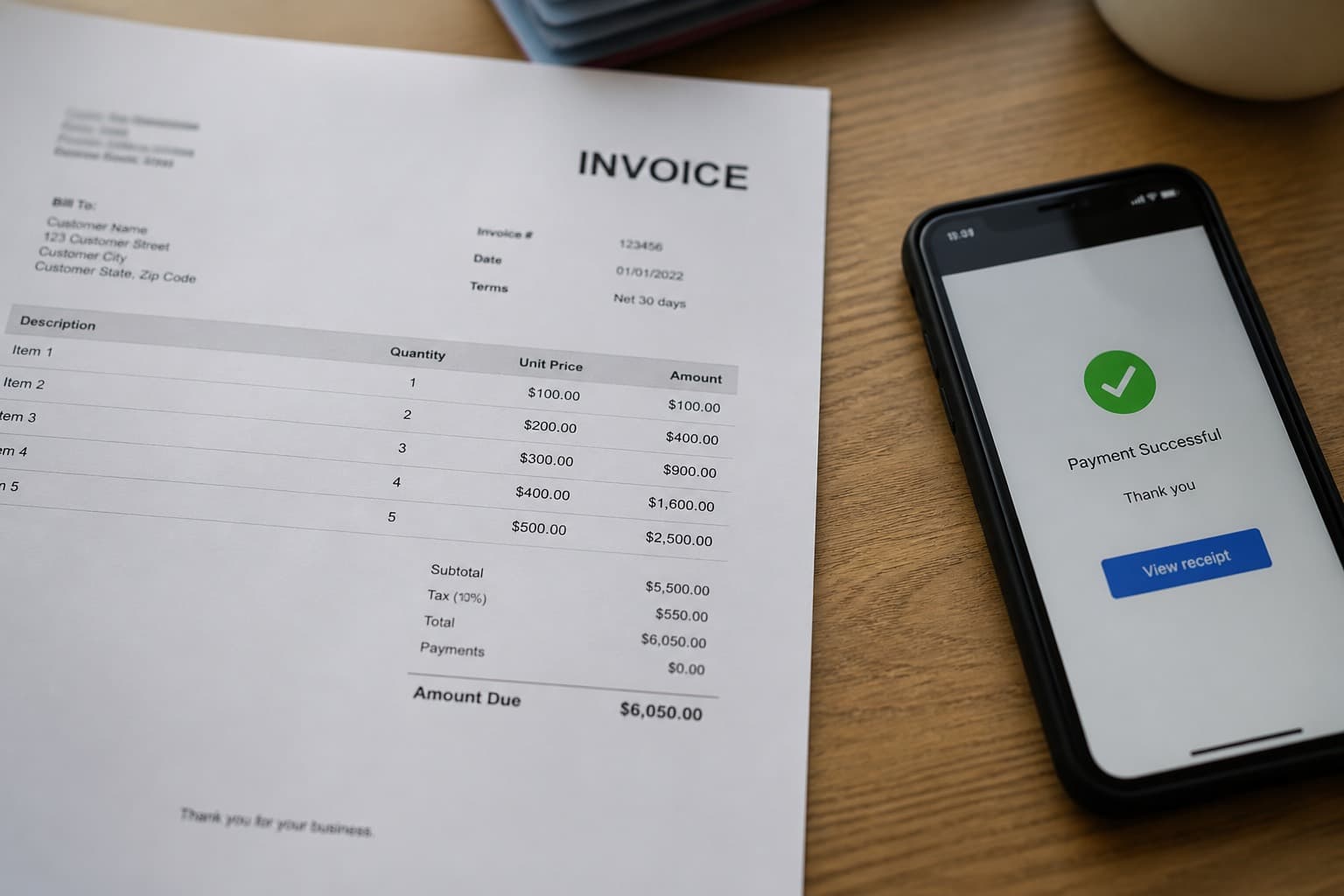
A lawn care agreement should give the customer, office, and crew a consistent understanding of the service. Plain language helps, but clarity does not replace legal review.
This is not legal advice or a contract template. It is an operational checklist. Have a qualified attorney in the applicable jurisdiction draft or review the agreement, including consumer, renewal, cancellation, payment, privacy, and liability terms.
Start from the quote they already understood
If the quote already names the property, scope, frequency, price, and exclusions, use the same terms in the agreement. Counsel can advise whether to attach the quote, incorporate it by reference, or repeat the details.
Do not add services, charges, or obligations that were not part of the proposal without clearly discussing them before acceptance.
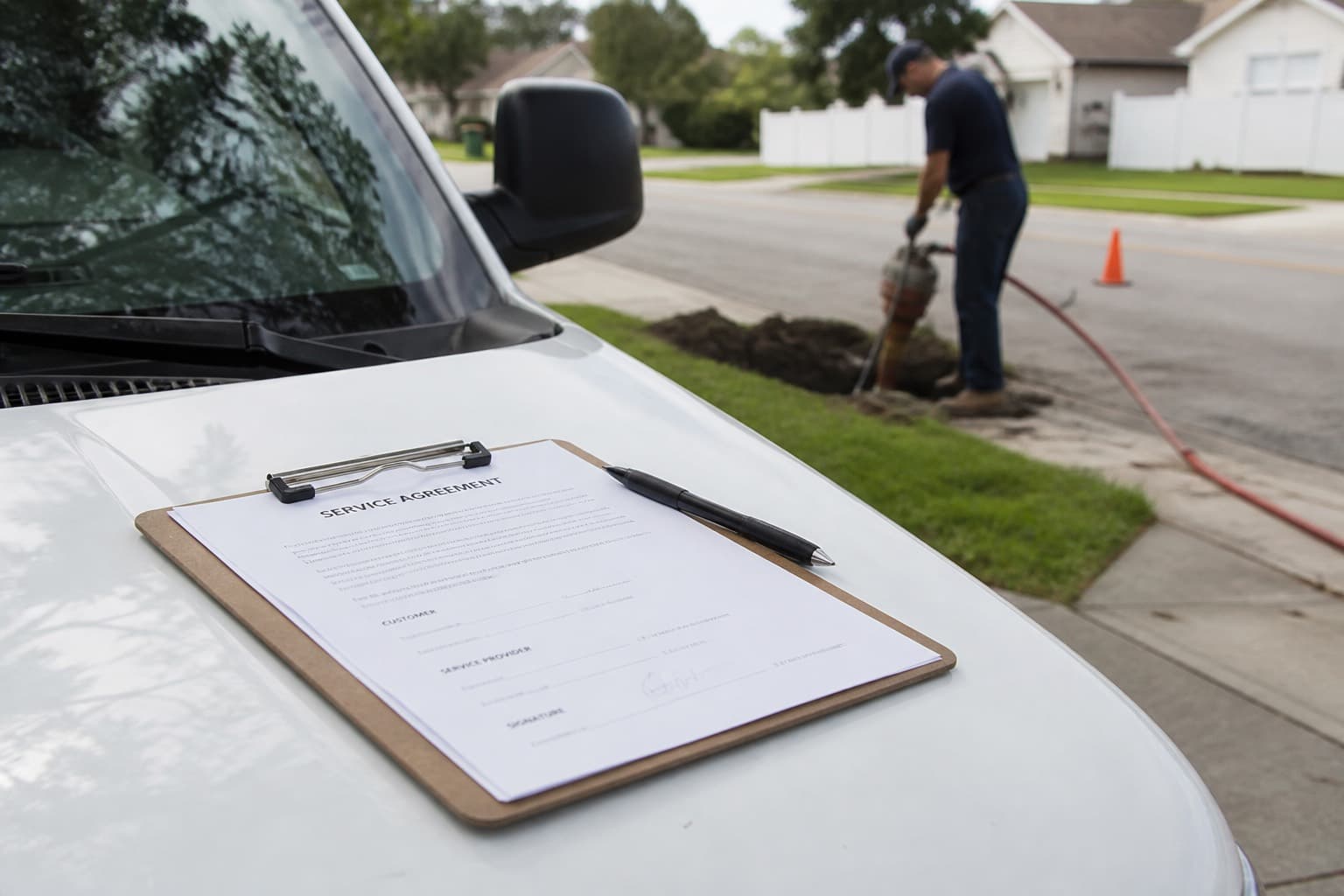
Describe the scope with specific actions
Write what you do in verbs. Write what you do not do in the next sentence.
Include, if true:
- Mow turf listed on the quote
- Edge hard surfaces you named
- Blow clippings off those surfaces
- String-trim obstacles you priced
Exclude, unless a line item says otherwise:
- Beds, hedges, and ornamental pruning
- Leaf piles, storm debris, and haul-away
- Irrigation repair
- Homeowner-owned HOA lots
- First cuts after a long skip
Use the guide to what a mowing service includes to define the package in your own words. Avoid undefined phrases such as “full service.”
Frequency: the product, not a discount
State whether the service is weekly, biweekly, seasonal, or performed on another cadence. Explain the service window and how skipped or delayed visits are handled.
If frequency changes seasonally, define the schedule or the objective trigger and how the customer will be notified.
Access: the yard has to be workable
Define the access conditions required to perform the service safely.
Cover:
- Gates, codes, lockboxes, and who updates them
- Pets secured or a skip
- Vehicles, bins, and toys moved enough to mow
- Quiet hours and HOA rules you will follow
- What happens when you cannot get in (wait, skip, trip charge)
Keep current gate, animal, parking, and site restrictions on the property record as well as in the applicable agreement terms.
Payment: when money moves
State the package price, accepted payment methods, invoice timing, due date, taxes, and the written process for overdue balances.
Disclose all required fees and payment-price differences before service. Follow current processor terms, card-network rules, and applicable law.
Late fees and automatic payments require clear terms. See late fees and autopay for the operational workflow, then have counsel review the language and authorization process.

Pause, weather, and the restart
This section should distinguish weather delays from customer-requested pauses.
Write:
- Who may pause (payer only)
- How much notice you need
- Whether a weather skip moves or expires
- What a pause longer than X weeks does to the next visit (possible cleanup)
- That tenant or neighbor texts do not cancel the owner’s plan
Weather belongs here and on your reschedule habit. The contract should not promise a make-up week you cannot staff.
Define a damage-reporting process
Hidden wires, low irrigation heads, edging, toys, and other conditions can lead to damage disputes. The agreement should describe a reporting and review process:
- Customer notifies you promptly in writing with a photo
- You inspect
- You distinguish your work from pre-existing condition and from items left in the turf
- The parties receive the result and any proposed next step in writing
Do not copy liability limitations, waivers, indemnity, or insurance clauses from a blog post. Those require legal and insurance review.
End date and how either side leaves
Define whether the agreement has a fixed season, renews, or continues until properly cancelled.
Give:
- A season end or a renewal date
- How much notice each side gives
- The last service date
- Final invoice timing
- How unused prepaid amounts are handled under the agreement and applicable law
If the company ends an account, follow the agreement and the process in how to end lawn service professionally. Set the recurring plan to end after the final authorized visit.
Keep the acceptance process clear
Keep the packet short:
- Accepted quote or scope table
- One-to-two pages of terms
- A legally appropriate acceptance method approved by counsel
Read the document aloud and simplify unnecessary complexity without removing legally required language. Give customers a reasonable opportunity to review it.
Store the accepted version, attachments, and acceptance evidence in the customer record under the company’s retention and privacy policy.
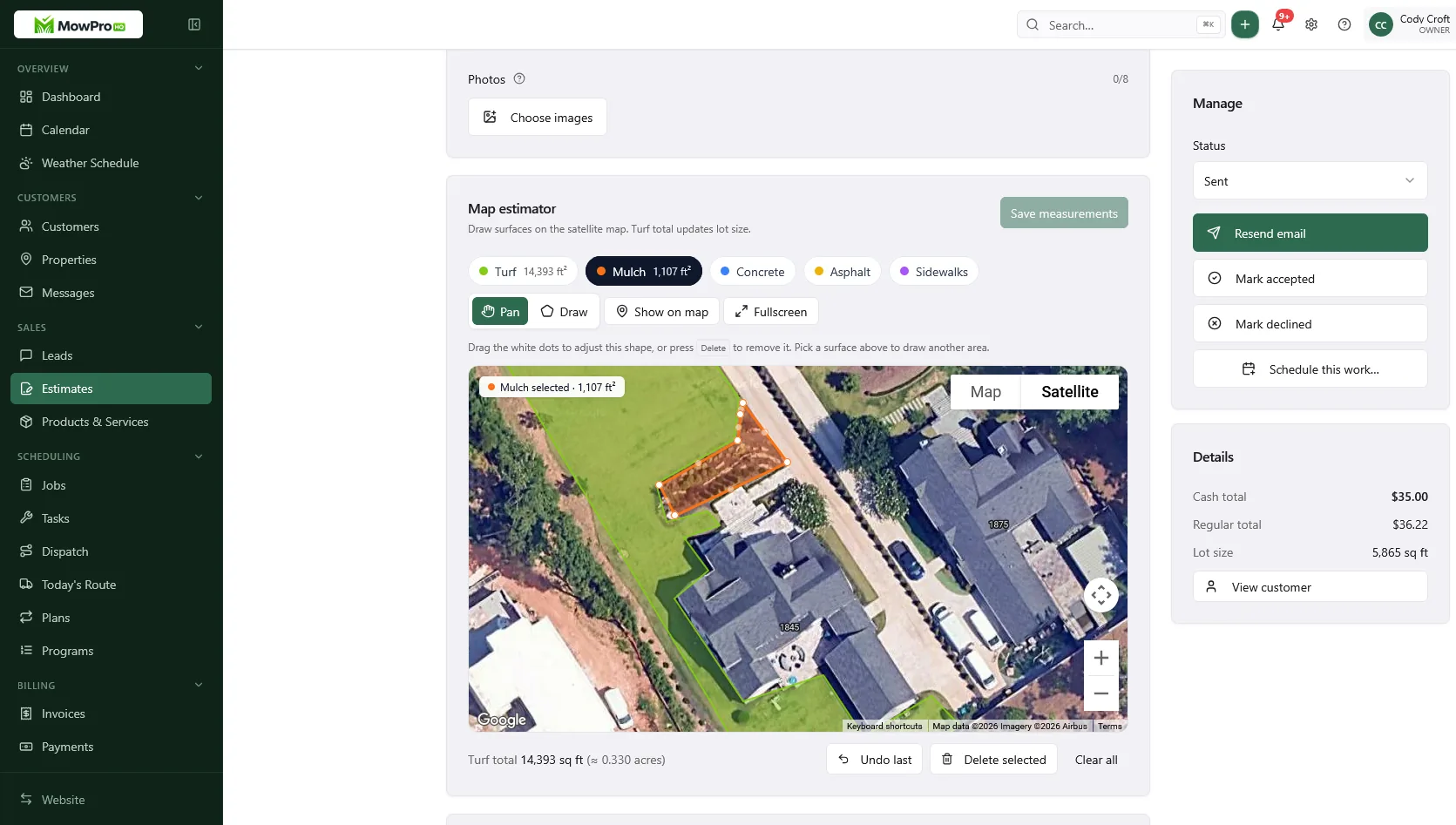
In MowProHQ
A plain-language outline you can hand a lawyer
Use this as a table of contents, not as finished legal text:
| Section | What the operator must decide |
|---|---|
| Parties and address | Who pays, where you mow |
| Scope | Verbs in, verbs out |
| Frequency | Product and start window |
| Access | Gates, pets, skip rule |
| Price and payment | Amounts, methods, due dates, overdue process |
| Weather and pause | Notice, restart, first-cut |
| Extras | Written approval, rates |
| Damage | Notice, inspect, process |
| Term | End date, cancel path |
| Signatures | Who can bind the customer |
Use the outline to prepare decisions and questions for counsel, not as finished legal language.
How MowProHQ keeps the agreement on the job
MowProHQ does not replace legal counsel. It can keep the customer, property, accepted quote, recurring work, and invoice connected so the operational record matches the sold scope.
Review current plans and pricing, then create an account after counsel approves the agreement and acceptance process.
Frequently asked questions
- What should a lawn care contract include?
- Identify the parties and property, included and excluded work, frequency, access requirements, price, payment terms, weather and pause rules, change approvals, damage process, term, renewal, and termination. Have a qualified local attorney review the agreement.
- Is a lawn care quote the same as a contract?
- An accepted quote may form part of an agreement, but whether it creates an enforceable contract depends on its terms, acceptance method, and local law. Many companies pair a detailed quote with separate service terms reviewed by counsel.
- Do I need a lawyer to write a mowing service agreement?
- A qualified attorney should review the version you will actually use. Consumer contracts, automatic renewal, cancellation, late fees, electronic signatures, privacy, and communication consent vary by jurisdiction.
- How do I write pause and skip rules for lawn care?
- State who may request a pause, the required notice and method, whether a skipped visit moves or expires, and how longer pauses affect restart scope and price. Explain weather rescheduling separately from customer-requested skips.
- What should a lawn care contract say about damage?
- Describe how damage is reported, documented, inspected, and resolved. Address known or concealed site conditions without drafting liability waivers from a template. Have counsel tailor the language to local law and insurance requirements.
- How should payment terms appear in a lawn care agreement?
- State the package or amount, invoice timing, due date, accepted payment methods, taxes, late-payment process, and service-suspension rules. Automatic payments and different payment prices require appropriate disclosures, authorization, and compliance.
- When should a lawn care contract end?
- Use a defined term or a clear ongoing-service and cancellation structure. State renewal, notice, final service, prepaid balance, and termination rules, and confirm compliance with local automatic-renewal and consumer-contract laws.