MowProHQ Blog/Invoicing
How to Get Paid Promptly After a House Wash
A practical process for house-wash invoices, deposits, add-ons, payment options, and jobs completed while the homeowner is away.
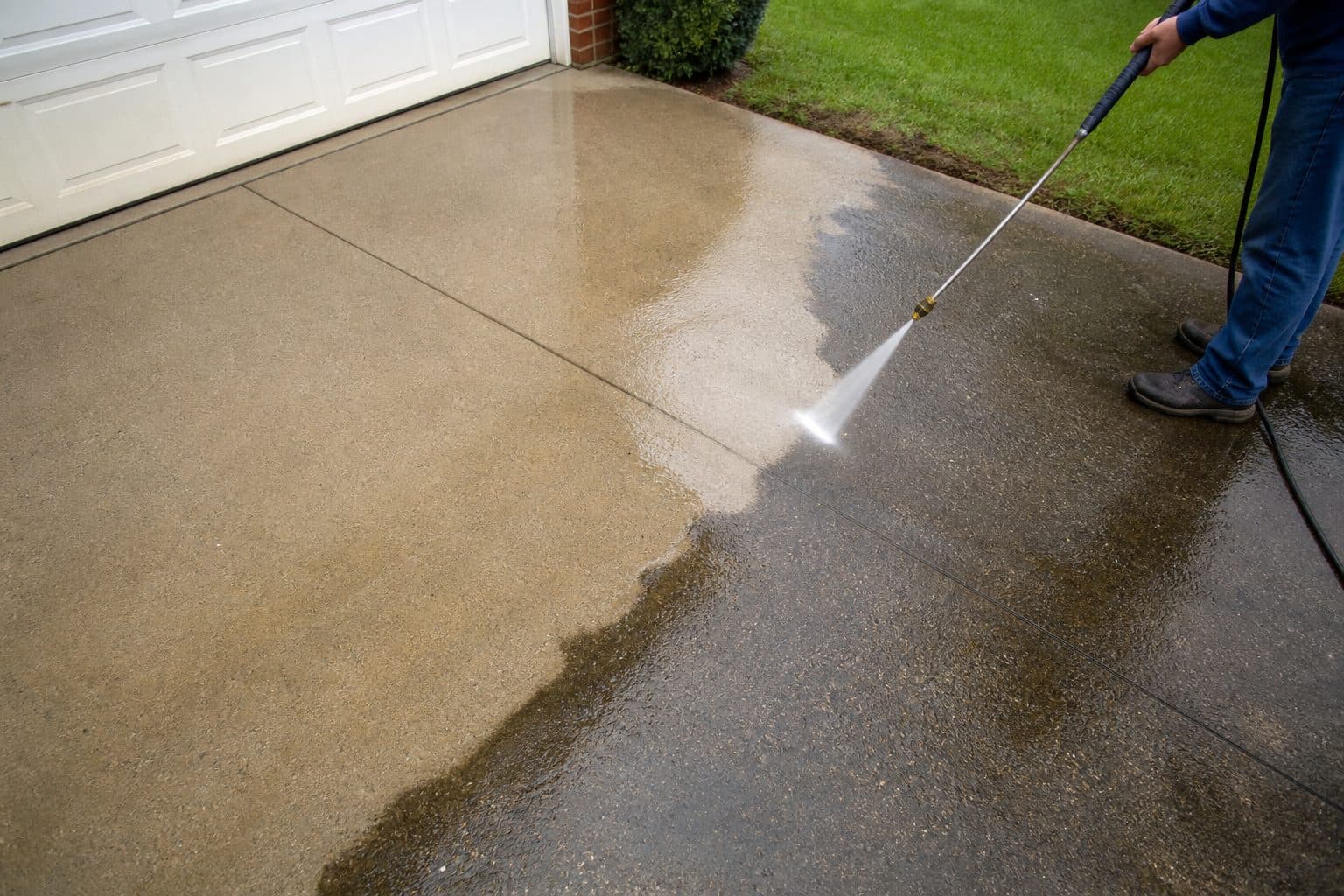
House washing is often a one-time service, so customers may not already have a billing routine with your company. Prompt, accurate invoicing makes it easier for them to connect the charge with the completed work and prevents finished jobs from sitting unbilled.
This guide covers job completion, payment links, deposits, approved add-ons, unattended properties, and commercial terms. Pair it with quoting a house wash and pricing siding and concrete.
Why house-wash collections go cold
A weekly mow is a habit. A house wash is an event. By next Wednesday your text looks like a stranger asking for money.
Other leaks:
- Quote lived in a text. Invoice is a different number.
- Driveway was “while you’re here” and never hit the invoice
- Cash in the truck, card on a Square link, check in a cupholder — three books
- They were not home. You told yourself you would bill tonight.
- Commercial AP cannot match “pressure washing $800” to a property
The solution is to create invoices from the scheduled job and property rather than rebuilding them from memory.
Invoice from completed work, not from memory
Ideal flow:
- Job is on the calendar for a property, copied from the accepted quote
- You (or the helper) mark it complete and check add-ons
- Invoice drafts from that completion
- Customer pays by portal, card, cash, or check — recorded in one place
- Open balances stay visible until cleared
When quoting, scheduling, and invoicing share customers, you stop retyping line items. That is the real product of invoicing connected to quotes, not another logo on a card reader.
Worked example: Thursday closeout
You finish three houses. One added a driveway. One was not home. One paid cash on the hood.
Weak closeout: You Square-link the empty house on Sunday. You forget the driveway. The cash job never hits the books. Next month you cannot tell if you made money.
Strong closeout:
- Completions marked before leaving each lot.
- Driveway checked on the job that added it.
- Invoices sent from the truck — including the empty house.
- Cash recorded on the invoice, not in a notebook.
- One glance at open balances that night.
A brief closeout at each property prevents a larger paperwork backlog later.
Dual Regular vs Cash on the invoice
If you accept cards, processing has a cost. Publish two totals:
- Cash — cash or check, no processing
- Regular — card, covers the fee
Put both totals on the quote and invoice, and confirm current processing costs and applicable rules when setting the policy.
A clean script: “Cash price is on the invoice. If you tap the card link, that’s the Regular total. Same work.”
Do not negotiate the difference away job by job unless you are intentionally discounting margin. Mixed policies create arguments.
House-wash tickets can make processing costs meaningful. Choose one compliant policy, account for it in your pricing, and explain it before the customer accepts the quote.
Deposits: when they help, when they annoy
Take a deposit when a no-show costs a weather window you cannot refill:
- Two-story restoration with a dedicated day
- First commercial visit that blocks the crew
- Booked-out holiday weeks
- Long-distance jobs with a trip premium
For a standard maintenance wash, same-day payment after completion may be simpler than collecting a small deposit. Match the policy to the cancellation risk and job size.
Write it on the quote:
- Amount or percent
- Due at accept, not at some vague “before we come”
- Applied to the final invoice
- Forfeited or reschedule rule if they cancel inside X days / weather excepted
Card deposits hit Regular unless they pay cash. Say that too.
When the homeowner is not home
This is the default on a lot of weekday washes. Plan for it.
- Confirm on the quote that they do not need to be present (water on, cars moved, gate unlocked, dog inside).
- Complete the job. Photos if you use them — especially for “you missed a spot” later.
- Send the invoice immediately with portal pay.
- Text: “18 Cedar is done. Invoice is in your email and portal. Cash total and card total are both on it.”
- If no pay by evening, one reminder. Next morning, one more. Then your collections ladder — not silence until next month.
A customer portal or clearly identified payment link lets an absent homeowner review the property, service, and amount due before paying.
If they insist on leaving cash in a lockbox, still create the invoice and mark it paid. Invisible cash is how you lie to yourself about revenue.
Commercial: same-day invoice, their terms
Restaurants, lots, and managers will not tap a phone on the dumpster pad. Invoice the same day anyway.
- One invoice per property or a multi-property invoice with lines they can match
- PO or job number if they gave you one
- Net 15/30 on the quote, not invented after 40 days of silence
- Recurring pads on a route plan, not a new Square link every Friday
Sending the invoice immediately starts the agreed payment period and gives accounts payable the documents it needs.
A collections ladder that is not personal
Put this in the quote once so enforcement is policy:
| When | Action |
|---|---|
| Job complete | Invoice + pay path |
| Same evening | Friendly reminder if open |
| Next morning | Second reminder |
| Day 3–5 | Firmer note; offer cash if the card is the stall |
| Day 10 | Call once. Document it. |
| Day 14–21 | Pause any future work. Do not book the next wash. |
Because many house-wash customers are not on a recurring schedule, prompt invoicing matters. Late fees do not correct an invoice that was sent weeks after completion.
Photos help collections more than they help Instagram
A clean-line photo on the property record is not marketing. It is how you answer “you missed a spot” without driving back for free. It is also how a not-home customer recognizes the charge on the portal. One after shot of the worst wall and one of the driveway if you washed it. Store them on the job, not in a camera roll you will never search.
Residential one-offs argue from memory. Your photos are the memory.
Add-ons cannot be a memory test
Patio, walk, extra stall, “can you hit the AC condenser pad.” If it happened, it is on the completion. If it is on the completion, it is on the invoice.
Train yourself (and any helper) that “complete” is not a mood. It is a checklist: quoted lines done, extras noted, photos if needed, invoice sent.
Missing add-ons are unpaid labor. Fake add-ons are how you lose reviews. Completions are the audit trail.
Metrics worth a Friday glance
| Metric | Why |
|---|---|
| Percent of jobs invoiced within 2 hours of complete | Your actual SLA |
| Open balance older than 7 days | House-wash money going stale |
| Unbilled completions | The silent leak |
| Cash vs card mix | Tells you if dual pricing is doing work |
| Deposit jobs vs no-shows | Whether deposits are worth the friction |
You do not need a finance department. You need to see unbilled work before payroll.
Mistakes that create unpaid washes
- Invoicing from memory on Sunday
- A Square link that does not match the quote
- Hiding the card total until they tap pay
- No invoice because they “said they’d Venmo later”
- Commercial billed as one vague line
- Letting not-home jobs wait until you feel like paperwork
- Recording cash in the truck and nowhere else
Informal payment promises should still be documented with an invoice and a due date.
How MowProHQ helps you collect
MowProHQ creates invoices from the same customer, property, and accepted quote used to schedule the work. Payment options and the customer portal give an absent homeowner a clear way to review and pay the balance.
Compare current plans and pricing or create an account to test the quote-to-invoice workflow.
Frequently asked questions
- How do I get paid the same day after a house wash?
- Mark the job complete, confirm any add-ons, and send the invoice before leaving or through a dependable same-day batch. Include the property, completed services, payment terms, and a convenient way to pay.
- What should a house wash invoice include?
- Include the customer and property address, service date, line items that match the accepted quote, approved extras, payment terms, and a simple way to pay. The invoice should be understandable even when the customer was not home.
- Should I take a deposit on house washing?
- Deposits can help on larger restoration work, commercial first visits, distant jobs, or heavily booked weeks where a cancellation is costly. Standard maintenance washes may not require one. State the deposit and cancellation terms on the quote.
- How do I collect if the homeowner is not home?
- Send the invoice and payment link as soon as the job is complete, along with a brief completion message. If it remains unpaid, follow the reminder schedule in your written policy rather than waiting until the end of the week.
- Is dual cash and card pricing allowed on invoices?
- Rules vary by location and payment network. If you use separate cash and card prices, disclose both before approval, apply the policy consistently, and confirm that it complies with local law and your processor agreement.
- Why do driveway add-ons get missed on invoices?
- Add-ons are often missed when field completion and billing are separate. Record approved driveway, patio, or other extra work on the job before creating the invoice.
- How should I handle commercial accounts that pay in 30 days?
- Send the invoice promptly with property-level line items, purchase-order details when required, and the payment terms accepted in the quote. Same-day invoicing begins the customer's agreed payment period sooner.