MowProHQ Blog/Marketing
Getting Lawn Care Reviews Without Begging After Every Stop
Ask lawn care customers for honest reviews at a reasonable cadence while following platform rules and responding professionally.
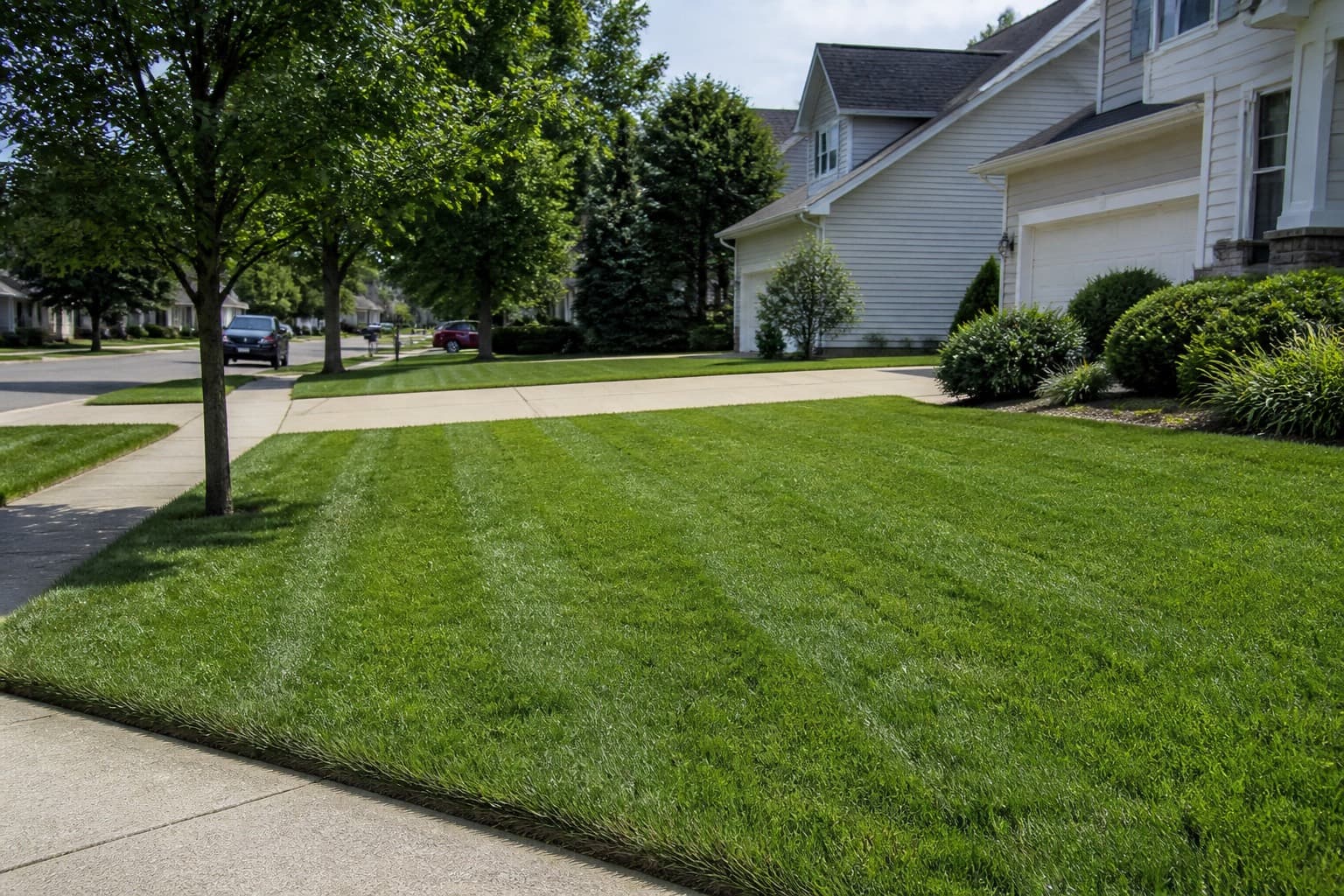
Customer reviews can help people evaluate a lawn care company, but repeated or selective requests create policy and trust problems. Use a neutral rule, ask for honest feedback without steering the rating, and keep the frequency modest. Pair this with the Google Business Profile guide.
Choose a reasonable request milestone
Sending a request after every visit creates unnecessary messages and can make schedule or access updates easier to miss. Choose a milestone that applies consistently to eligible customers.
Possible milestones:
- A set number of completed recurring visits
- Completion of a one-time cleanup or installation
- End of the first service month
- End-of-season account follow-up
Suppress a request when contact would be inappropriate for anyone, such as:
- The customer has opted out of marketing messages
- The account is involved in an active safety or privacy investigation
- The contact information is invalid or belongs to someone other than the customer
- A request was already sent within the stated period
Do not use an internal satisfaction score to route happy customers to Google while sending dissatisfied customers elsewhere. Apply the same neutral rule and ask for an honest review.
Keep the request brief
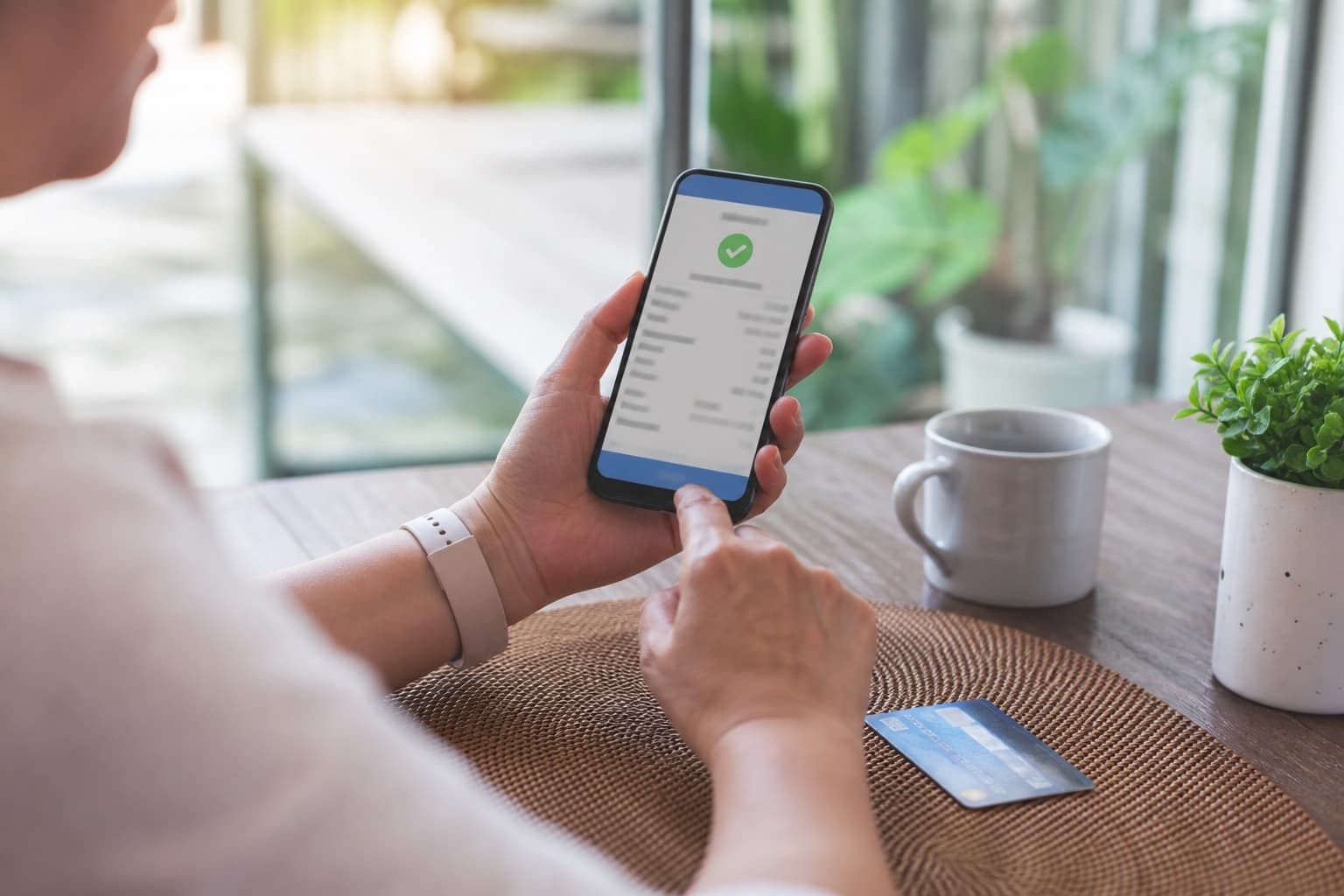
Identify the company, ask for an honest review, and provide the direct link. Do not combine the request with a referral promotion or suggest a particular rating.
After a clean stretch (text or email):
Hi [Name], this is [Company]. If you would like to share honest feedback about our lawn service, you can leave a Google review here: [link]. Thank you.
After they already praised a cleanup:
Thank you for the feedback. If you would like to share your experience publicly, our Google review link is [link].
One request is usually enough. If you send a reminder, limit it to a single follow-up and stop after an opt-out or nonresponse.
Channel: do not drown the thread
Texting is useful for time-sensitive service updates. If you also use it for review requests, obtain the required consent, identify the business, honor opt-outs, and follow applicable messaging laws and carrier rules.
Email or a portal may be a better channel when customers expect non-urgent account messages there. Keep the link out of arrival and access alerts.
If a customer offers feedback in person, staff can thank them and mention the review link without pressuring them to respond on the spot.
Avoid review gating
Review gating means filtering customers by expected sentiment, then asking only the likely positive group to post publicly. Avoid practices such as:
- Asking for a private satisfaction score and showing the Google link only after a high score
- Suppressing requests solely because an account has a complaint
- Asking specifically for a five-star or positive review
- Pressuring employees, relatives, or people without a genuine customer experience
- Offering a reward only when a favorable review is posted
Use job checklists to improve service, but let customers describe their experience in their own words. Recheck current Google and other platform policies because requirements can change.
Replies are part of the ask
People read how you talk to the last ten reviewers before they write the eleventh.
- Thank the reviewer without revealing account details
- Acknowledge concerns and provide a private support channel
- Avoid debating prices or personal circumstances in public
- Respond consistently to positive and critical reviews
- Never offer compensation in exchange for editing or deleting a review
Maintain accurate information on the Google profile and monitor it for reviews that need a response.
Automate a neutral rule
Automation should apply a consistent milestone and prevent duplicate requests.
A rule you can defend:
- Recurring plan
- At least N completed visits
- Valid consent for the selected channel
- Not asked within the chosen suppression period
- Appropriate customer or authorized contact
Do not use complaint status or a private sentiment survey to select only favorable reviewers. Test the trigger, message, opt-out behavior, and recipient before enabling a large send.
Referrals are a different ask
Keep referral promotions separate from review requests. Referrals have their own eligibility and still need a minimum charge and travel policy.
If both programs are active, use separate messages and do not make a referral reward dependent on posting a review.
Maintain a simple review routine
| Cadence | Action |
|---|---|
| Weekly | Review and reply to new posts |
| At the neutral milestone | Send one request with one link |
| Monthly | Check who was asked; suppress repeats |
| Season change | Refresh accurate profile photos and business information |
Track request date, channel, delivery status, opt-outs, and published reviews without trying to identify or pressure customers who chose not to post.
In MowProHQ
Manage review requests in MowProHQ
MowProHQ connects customer records and completed visits so review requests can follow a consistent milestone and suppression period rather than every completion.
Review current plans and pricing, then create an account and test the request, recipient, review link, and opt-out handling before enabling automation.
Frequently asked questions
- When should I ask a lawn care customer for a Google review?
- Choose a consistent milestone, such as after several completed visits or completion of a project, and ask for honest feedback. Do not ask only customers you expect to leave positive reviews, and check Google's current review policies before automating requests.
- How do I ask for a lawn care review without sounding needy?
- Keep the request brief, identify the business, ask for an honest review, and provide the direct profile link. Avoid suggesting a star rating or repeatedly contacting someone who does not respond.
- Should I text customers for reviews after every mow?
- No. Weekly requests are repetitive and may cause customers to ignore operational messages. Use an appropriately consented channel and a reasonable milestone and frequency. Follow applicable texting and email-marketing requirements.
- Who should I never ask for a lawn care review?
- Do not exclude customers merely because you expect critical feedback; selective positive-review solicitation may violate platform policy. You can pause all automated account messages during an active safety, privacy, or service investigation, then use the same neutral eligibility rule once it is appropriate to contact the customer.
- Can I incentivize Google reviews for my lawn company?
- Do not offer payment, discounts, free services, or other incentives for Google reviews. Incentivized reviews and requests conditioned on positive sentiment can violate platform rules and consumer-protection requirements.
- How do review replies relate to asking for more reviews?
- Responses show prospective customers how the business handles praise and criticism. Reply without exposing customer information, arguing, or offering compensation to change a review.
- Should I automate lawn care review requests?
- Automation can apply a consistent, neutral milestone and suppress repeat requests. Review the message, consent basis, frequency, opt-out handling, and current platform rules before enabling it.