MowProHQ Blog/Quotes
Photo Quoting vs a Driveway Visit for Lawn Care
Learn when a photo quote is enough for lawn care, when to inspect the property, and how to avoid surprises with access, growth, maps, and safety.
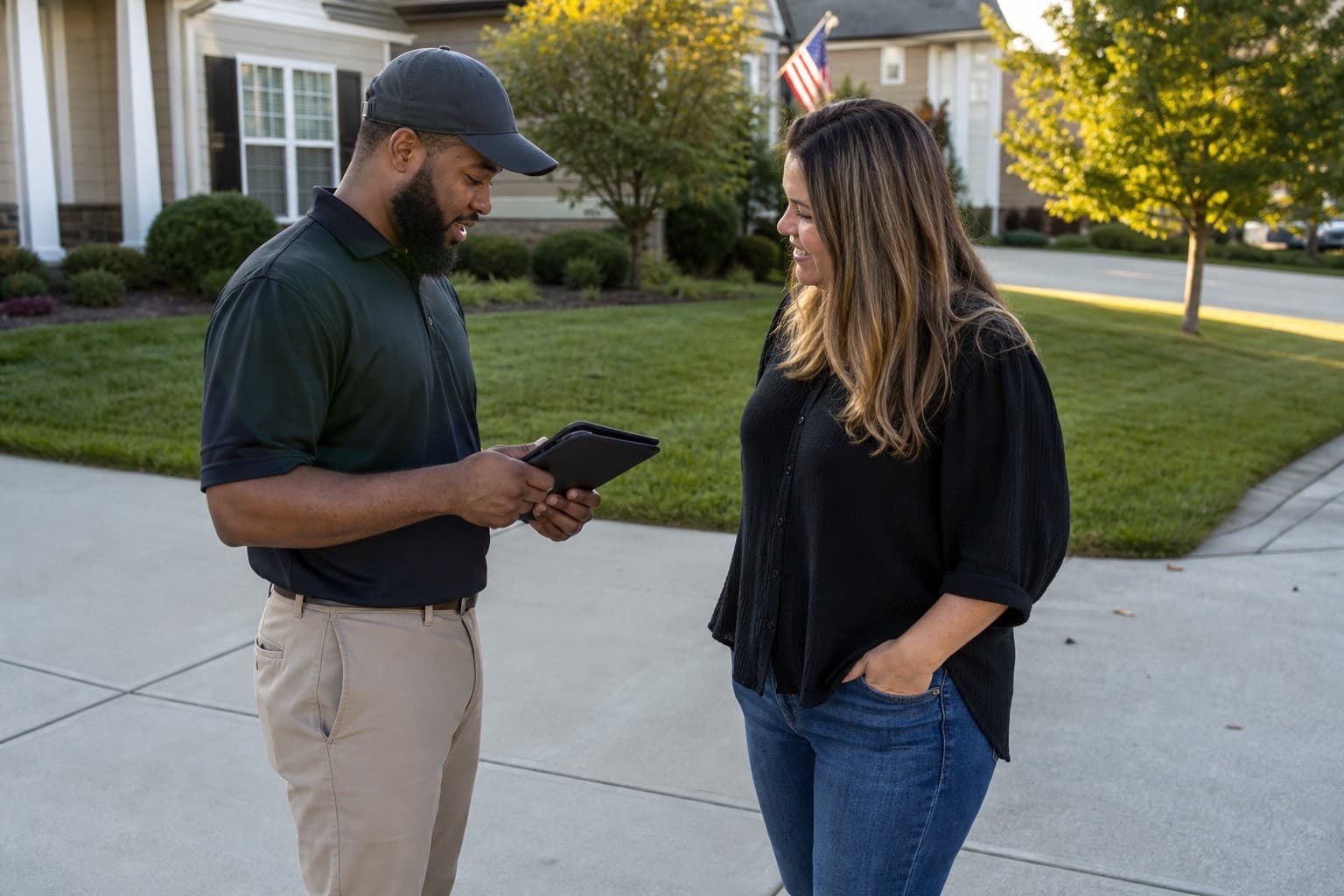
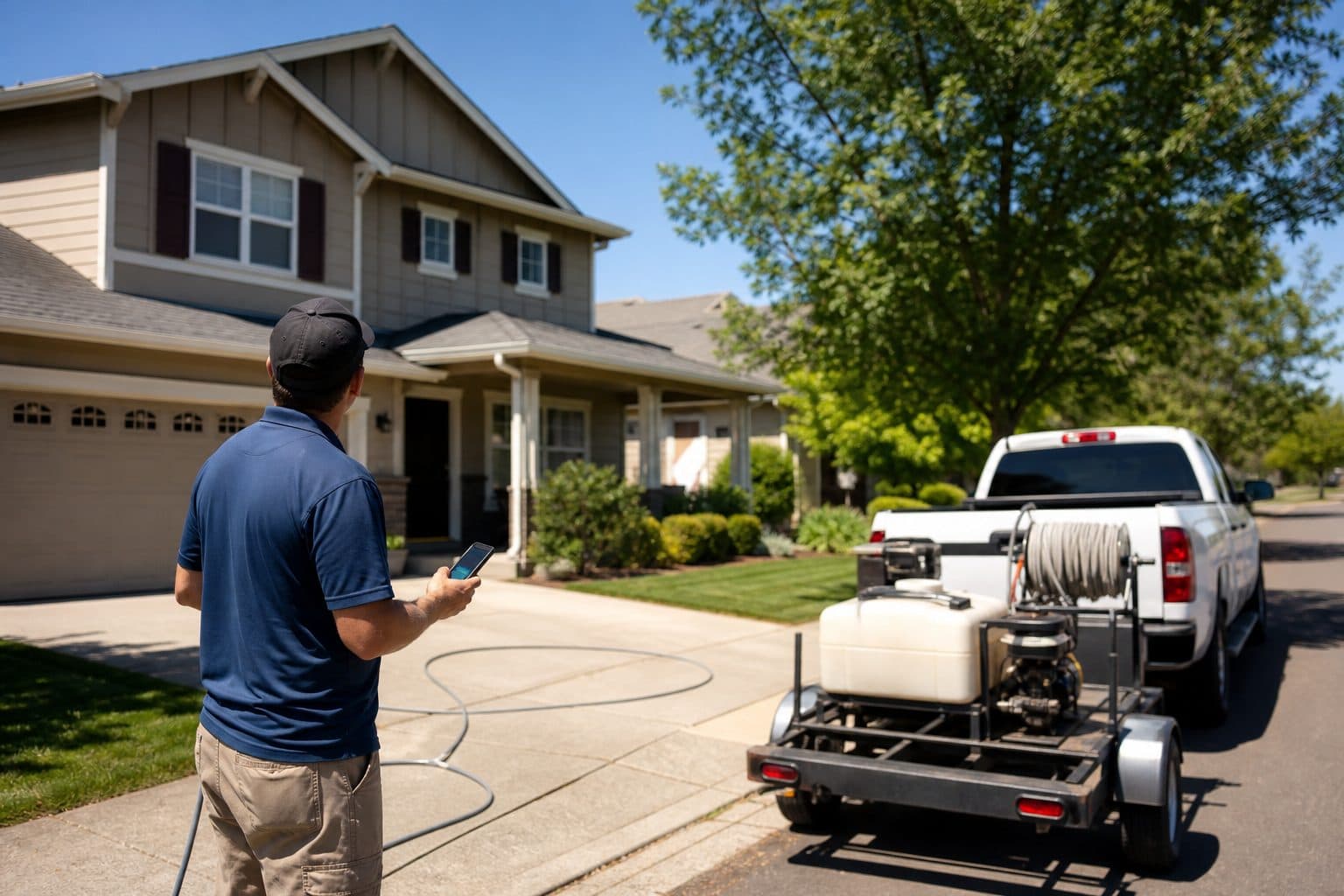
A photo quote can save a trip. A short property inspection can save a much larger pricing mistake. The right choice depends on what you can verify, not on a rule that every estimate must be remote or in person.
Start with the address, the requested scope, recent photos, and a rough service-area measurement. Then inspect properties where access, condition, terrain, or safety remains unclear. This approach works alongside how to write lawn care quotes, lot-size quoting, how to price lawn care jobs, and first-cut pricing.
Decide by risk, not habit
Give whoever handles estimates a simple decision guide. It should leave room for judgment without making every lead a special case.
| Situation | Photo quote may work | Inspect first |
|---|---|---|
| Maintained residential lawn with clear, recent images | Usually | If the scope is still uncertain |
| Similar property near work you already perform | Usually | If access or condition differs |
| New construction or recently changed landscape | For an initial range | Usually before a firm quote |
| Overgrown or unknown first service | For screening | Often |
| Slopes, walls, narrow gates, or long carries | Only if clearly documented | Often |
| Commercial or HOA work with detailed specifications | For early qualification | Usually |
| Customer cannot or prefers not to send photos | No pressure to share | Offer a visit or qualified range |
Travel time matters, but so does the cost of sending the wrong crew or equipment. Compare the likely inspection time with the downside of a bad estimate. Remember to include quoting and travel in your broader view of shop-adjacent time.
Ask for a useful photo set
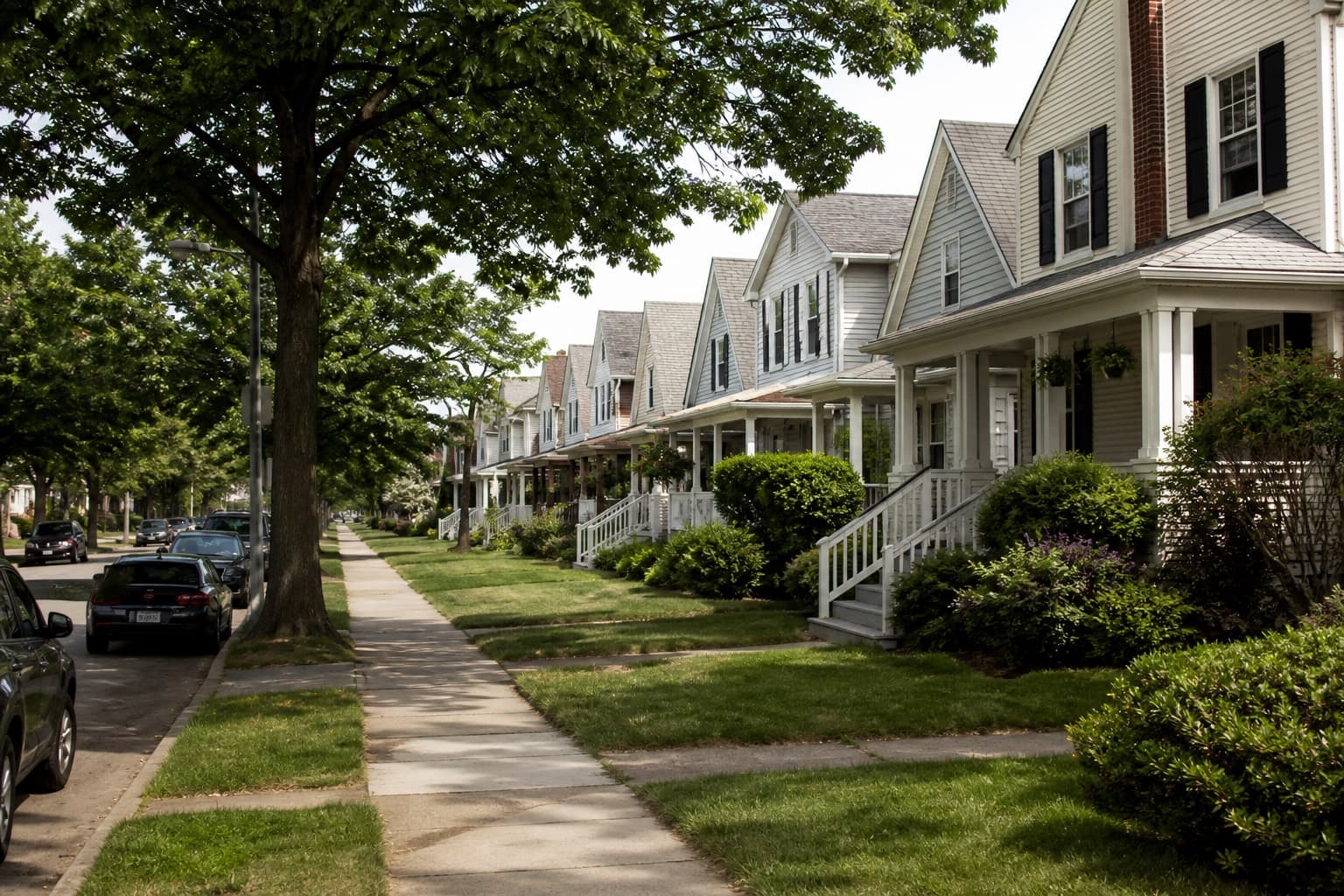
A single front-yard photo is rarely enough. Ask the customer for current images that show:
- The front lawn from the street or driveway
- Left side and right side
- Back yard
- Gates, latches, steps, and equipment paths
- Slopes, retaining walls, drainage areas, low branches, or other obstacles
- Beds, fence lines, or other areas included in the requested work
- A closer view of heavy or uneven growth
In the same message, ask when the lawn was last serviced, whether pets use the yard, and whether the crew will need the customer to unlock anything. Do not ask a customer to text a permanent gate or alarm code. Use a secure access process if a code is required.
If something important is missing, be direct:
Thanks for the photos. Before I can confirm the quote, I still need clear views of the back, both sides, and the gate. If you prefer not to send more images, I can arrange a short property visit during [window].
That gives the customer a choice and keeps you from filling gaps with guesses.
Handle customer photos with care
Property photos may reveal children, house numbers, vehicles, security equipment, or the inside of a home. Collect only what you need for the estimate. Tell the customer how the images will be used, where they will be stored, who can access them, and when they will be deleted.
Set an image-retention period that fits your business needs and applicable law. Delete rejected-lead photos when they are no longer needed, and do not reuse customer images for marketing, training, or automated tools without separate, informed permission. If a vendor stores or analyzes the images, check its access, retention, and deletion terms too.
Use maps and aerial images as clues
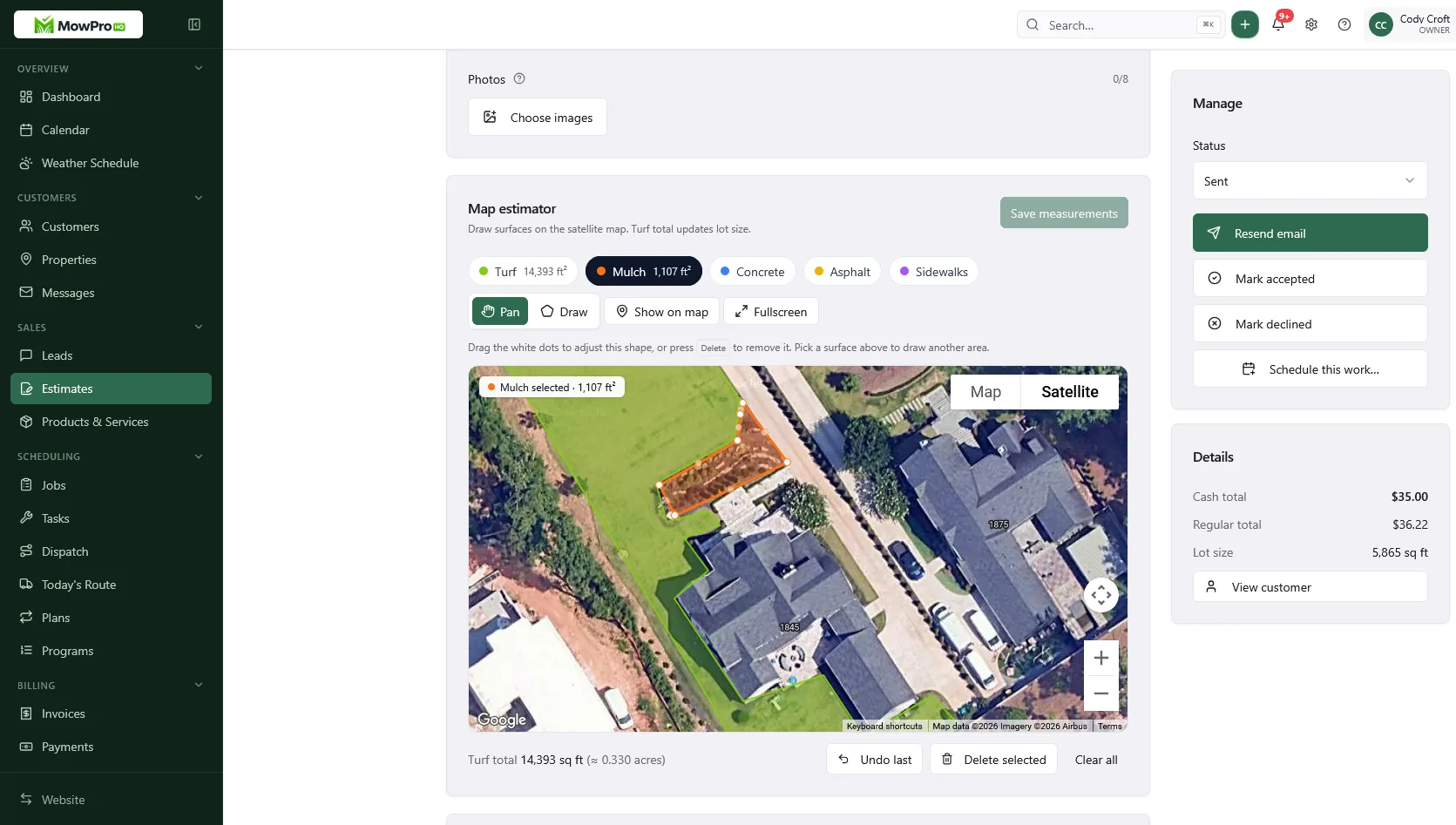
Lot-size quoting can place a property in a starting band. Photos add information about access and condition. Neither source is guaranteed to be current or exact.
Aerial images may predate a fence, pool, addition, or landscape renovation. Trees and shadows can hide turf. Parcel lines do not necessarily match the area you will mow, and mapping tools may calculate roofs, pavement, neighboring land, or inaccessible sections incorrectly.
Before sending a firm quote:
- Compare more than one available source when practical
- Ask the customer to confirm which areas are included
- Mark uncertain boundaries or measurements
- Measure on site when a small error could materially change labor or equipment
- Avoid presenting map-derived square footage as a surveyed fact
Your quote can also state its assumptions:
- Turf areas as shown in photos dated [date]
- Service area and boundaries as confirmed by the customer
- Access suitable for the equipment discussed
- Lawn condition substantially matches the supplied photos
- Additional or newly discovered work requires approval before it begins
Make any inspection or price-adjustment condition prominent, not buried in fine print. Follow local contract and consumer-protection requirements.
In MowProHQ
Quote promptly, without rushing
Photo quoting should shorten the process when the evidence is good. Set a response target your team can actually maintain. A clear reply that requests one missing detail is better than a fast number built on an assumption.
A written lawn care quote should identify the service area, work included, frequency, exclusions, first-service treatment, start expectations, access requirements, and how changes are approved. Keep follow-up useful and reasonable rather than sending repeated messages without permission.
Treat the first service separately when needed
Wide photos can hide height, density, wet areas, debris, and uneven ground. Weather and grass type also affect how much work a first visit requires, so a fixed number of days since the last cut is not a reliable rule by itself.
| What you can verify | Sensible next step |
|---|---|
| Recent service and evenly maintained turf | Quote normal service with stated assumptions |
| Moderate growth shown clearly from several angles | Separate first-service and recurring prices |
| Service date or condition is uncertain | Request better photos or inspect |
| Heavy growth, lodged grass, debris, or hidden terrain | Inspect before committing to a firm scope |
Do not hide recovery work inside the recurring price. Explain the difference between bringing the property back under control and maintaining it afterward. Then use a consistent customer onboarding process.
When to inspect the property
Arrange an on-site inspection when:
- The back yard, gate, parking, or equipment route is unclear
- Slopes, walls, drainage, or narrow passages may change the work
- The lawn is overgrown or its condition cannot be judged reliably
- Aerial boundaries conflict with the customer's description
- The scope includes detailed commercial or HOA requirements
- Irrigation, wires, pet areas, play equipment, debris, or other hazards may be present
- The financial or safety consequence of a wrong assumption is significant
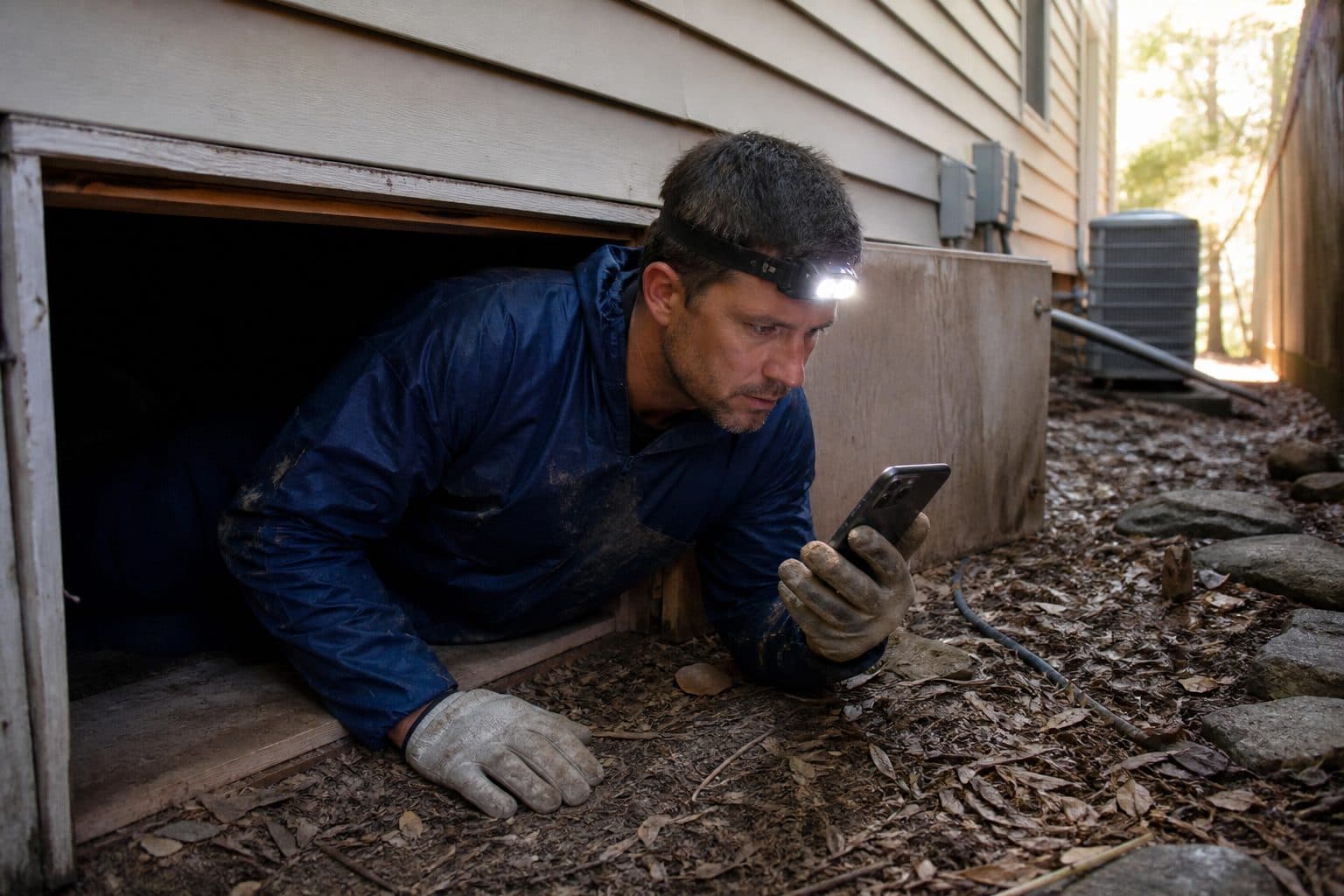
Get permission before entering the yard, and schedule the visit rather than assuming an estimate request allows access. Do not climb a locked gate, enter an occupied pet area, or walk terrain that appears unsafe. If you inspect alone, use your company's check-in procedure and stay aware of traffic, unstable ground, animals, overhead hazards, and concealed drop-offs.
Walk the route the crew and equipment would use, but do not operate machinery as part of a visual estimate unless that is planned and safely controlled. Record useful property notes, including:
- Parking and unloading limits
- Gate widths, steps, and surfaces along the equipment path
- Slopes, retaining walls, drains, stumps, and low obstacles
- Irrigation heads, invisible-fence markings, utility features, and fragile items the customer identifies
- Pet and gate arrangements
- Areas that remain inaccessible or unverified
An inspection reduces uncertainty; it does not guarantee that every hidden condition has been found. Ask the customer to disclose known hazards and instruct the crew to pause and report conditions that differ materially from the estimate.
A short inspection script
I’ll confirm the areas you want serviced, the equipment route, and any conditions that could affect the work. I’ll send the scope and price in writing so you can review the assumptions and exclusions before accepting.
Avoid relying on a verbal price at the property. The written quote is where both sides can confirm what was actually discussed.
Two common scenarios
A good photo-quote candidate: The customer sends current views of every lawn area, both access paths, the gate, and a small slope. They identify the exact service boundary and confirm the lawn has been maintained. The map roughly agrees with the photos. You send a written quote that lists those assumptions and reserves the right to pause before extra work.
A property that needs inspection: The only image shows the front lawn. Aerial imagery is old, the back cannot be seen, and the customer mentions a narrow gate and recent construction. A short visit reveals a changed fence line, soft ground, and a longer equipment route. You can now quote the work you would actually be asking the crew to perform.
The lesson is not that one method always wins. It is that the estimate should become more careful as uncertainty and consequence increase.
Guardrails for virtual lawn estimates
- Confirm that the property is inside your service area before doing detailed estimate work.
- Define the work area and requested service in writing.
- Do not claim exact measurements from uncertain aerial imagery.
- Offer an inspection when customers do not want to share photos.
- State assumptions, exclusions, and the process for approving changes.
- Keep customer images private, access-controlled, and only as long as needed.
- Recheck access and safety conditions before the crew starts.
- Turn accepted work into clear customer and property records.
Track why estimates are declined, adjusted, or unprofitable. If straightforward leads wait too long, simplify the photo path. If first visits repeatedly reveal extra work, tighten the inspection trigger. Use your own costs and production history—or the hourly rate calculator—instead of copying another company's price.
Keep the estimate and property record together
MowProHQ can keep the quote, property details, and follow-up in one workflow. Review current features and plan information on the pricing page, or sign up when you are ready to try it with your estimating process.
Frequently asked questions
- Can I quote lawn care from photos instead of a site visit?
- Often, yes. A photo quote can work for a maintained property when the images clearly show the work area, access, terrain, and anything that may add time. Arrange an inspection when important details are missing or the property has unusual growth, slopes, gates, hazards, or detailed commercial requirements.
- What photos should a homeowner send for a mowing quote?
- Ask for current photos of the front, both sides, back yard, gates, parking or unloading area, and any slopes, obstacles, beds, or other requested work. Explain why you need the images and ask the customer not to photograph people, license plates, security details, or private areas unnecessarily.
- How fast should a photo quote go out?
- Set a response target that your company can meet consistently. If the information is complete, a prompt written quote is useful. If it is not, tell the customer what is missing or offer an inspection instead of rushing out a number.
- When does a driveway visit pay for itself?
- Inspect when the cost of being wrong is likely to exceed the time spent visiting. Common reasons include steep ground, uncertain access, long equipment carries, overgrowth, hidden work areas, irrigation or landscape obstacles, and detailed commercial scopes.
- How do I stop photo quotes from underpricing first cuts?
- Ask when the lawn was last serviced, request close and wide photos, and make the quote conditional on the property matching the information supplied. Price unusually heavy first-service work separately, or inspect before committing to a firm price.
- Should I use satellite lot size instead of photos?
- Use aerial or parcel information as a cross-check, not as the final measurement. Imagery can be old, boundaries can be wrong, and tree cover or structures can hide turf. Confirm the service area with the customer and verify uncertain measurements on site.
- What if the customer refuses photos and refuses a visit?
- Do not give a firm quote without enough information. You can offer a clearly qualified range, explain that the final price requires confirmation, or decline the work. Respect a customer's choice not to share images.