MowProHQ Blog/Operations
Shop Time, Blades, and Unpaid Maintenance
Schedule and price lawn care equipment maintenance, blade service, shop labor, inspections, and unexpected repairs.
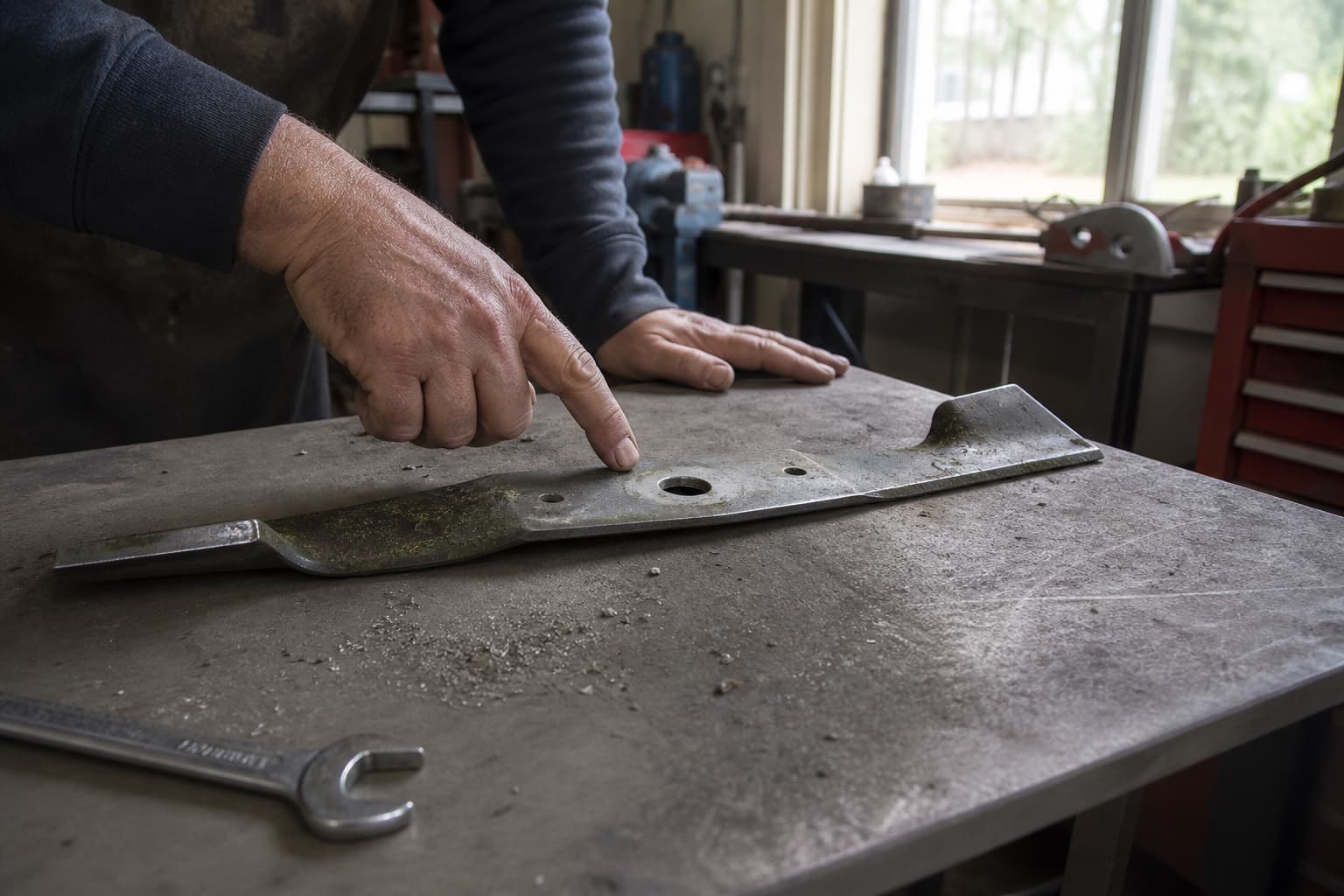
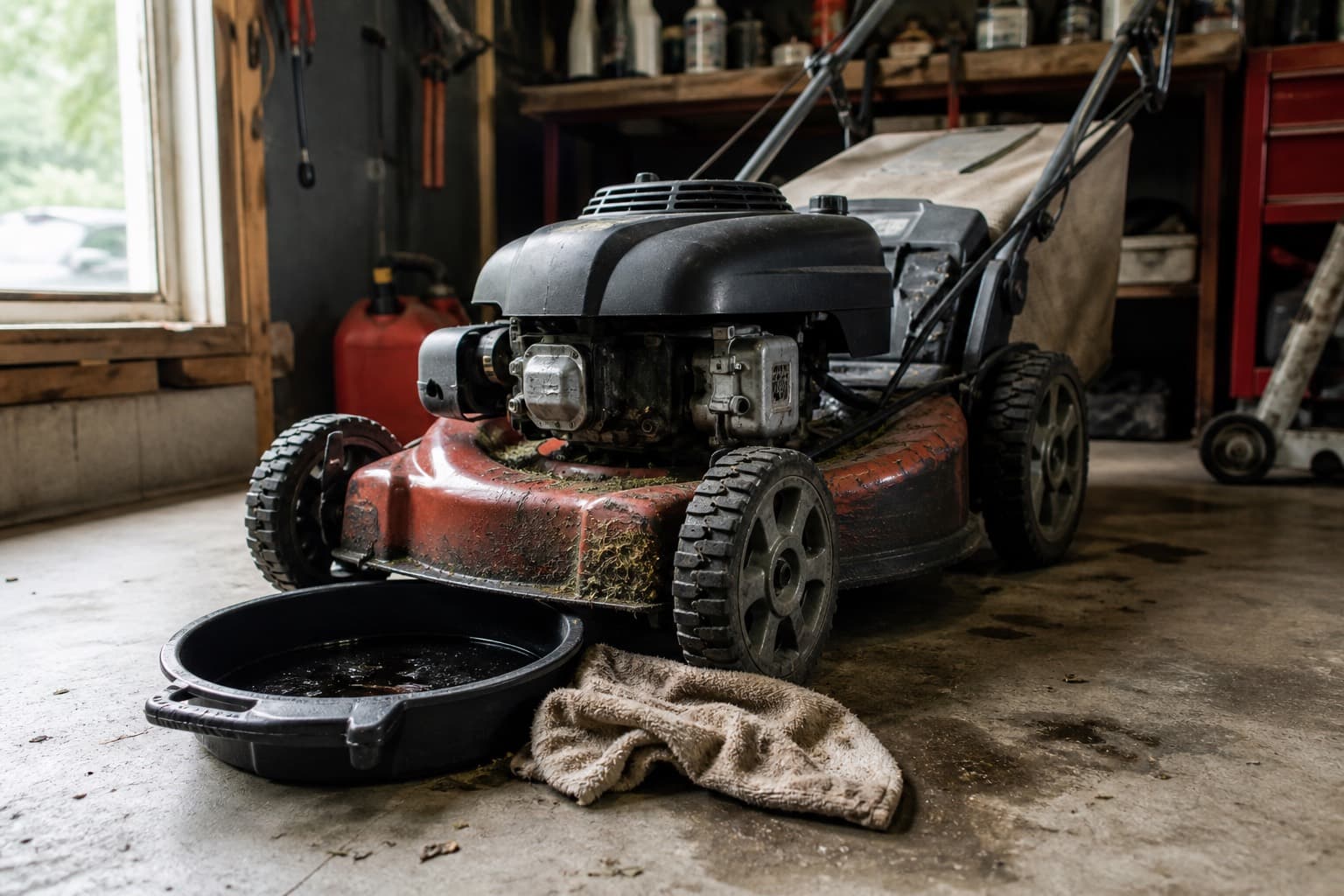
Blade service, oil changes, filters, belts, tire checks, trailer inspections, and repairs consume real labor and equipment time. Scheduling and costing that work prevents route plans from assuming every paid hour can occur at a customer property.
This playbook sits next to dump runs and route time, the hourly rate calculator, how to price lawn care jobs, and crew timeclock.
Measure non-property time
Track a representative week using a timekeeping method that meets your payroll and recordkeeping obligations:
- Required start and end time
- Travel between required locations
- Customer-property work
- Fueling and disposal
- Loading, cleaning, maintenance, and repair
- Required return-to-shop work
Do not use vehicle location data as a substitute for complete time records or collect more employee location data than necessary. Compare recorded non-property time with the hours included in pricing and route plans.
Put shop on the board
Add maintenance tasks to the same capacity plan as route work and disposal trips. Assign the person, equipment, expected duration, procedure, and completion record.
| Habit | What happens | Do this instead |
|---|---|---|
| Sharpen only if the route ends early | Preventive work keeps moving | Use recurring blocks based on usage and inspections |
| Required work before clock-in | Inaccurate pay and labor cost | Record all compensable time |
| Service only after a visible problem | Quality and downtime risk increase | Follow manufacturer guidance and inspection triggers |
| Depend on weekend overflow | Maintenance becomes unpredictable | Reserve capacity during the normal schedule |
| Only one person knows the process | Work stops when that person is absent | Train and authorize additional staff safely |
A lighter holiday route or weather-affected afternoon can provide maintenance capacity when staffing and safety allow. Keep a recurring baseline rather than depending entirely on uncertain openings. See holiday-week planning.
Blades are a finish standard
Dull or damaged blades can reduce cut quality and indicate that service is due. Use the equipment manual, inspection results, and operating conditions to set the rule.
Write a trigger, not a feeling:
- Inspect at the manufacturer-recommended operating-hour interval
- Shorten the interval when conditions cause faster wear
- Stop and inspect safely after an impact, unusual vibration, or visible damage
Record the inspection, service date, operating hours, person performing the work, and parts used. Follow the manufacturer's balance, torque, replacement, and installation specifications. The record can sit with the equipment history and job checklists.
Pay for required shop work
Record required shop work accurately for hourly, salaried, piece-rate, and production-pay employees. Whether and how time must be paid depends on the role, jurisdiction, and compensation plan; do not assume including it in a rate satisfies wage-and-hour law.
Tell them the rule on day one of training:
Shop blocks are scheduled work. Record your time and follow the equipment-specific safety procedure. Only trained and authorized team members may perform maintenance.
Supervisors should not remove recurring maintenance without rescheduling it and assessing whether the equipment remains safe to use.
Put shop minutes in the hourly floor
Routine maintenance is generally part of the cost of providing service. Include expected shop labor and parts in the number used to quote rather than adding an undisclosed blade fee after an ordinary visit.
Example math (illustrative, use your numbers):
- 40 total available labor hours
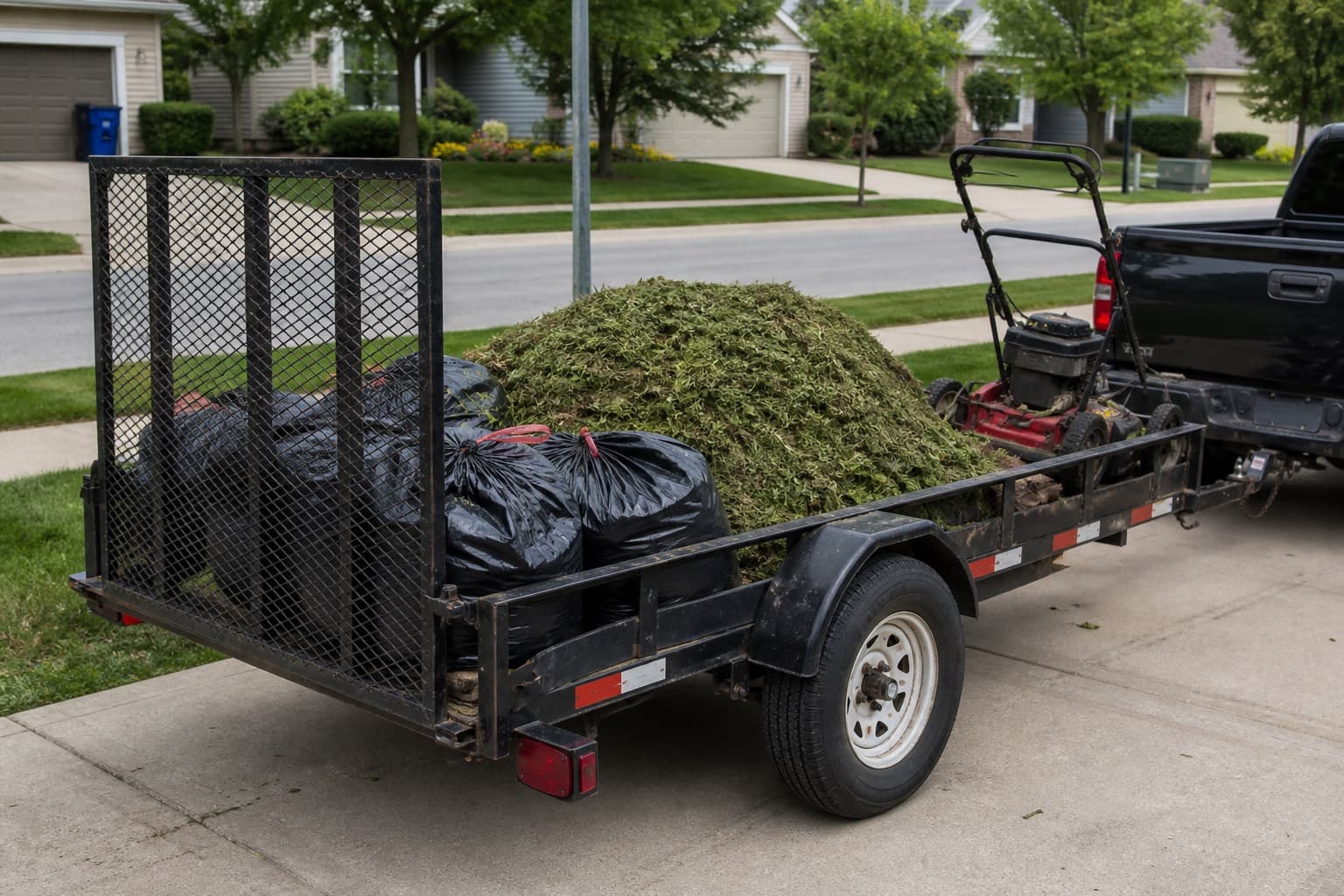
- 4 shop hours (blades, oil, trailer, cleanup)
- 3 dump/fuel hours
- 33 hours remain for travel between customers and property work
Allocate all labor and overhead across the productive hours used in your pricing model. Avoid treating all remaining time as billable on-site work because route travel also consumes part of it. Use the hourly-rate calculator and the fuel and disposal guide with your own figures.
Worked example: one-truck Thursday
Suppose Thursday has 16 planned stops, including two initial cuts. The maintenance block is removed to fit the route. On Friday, a belt fails and a blade needs service, creating 90 minutes of unplanned downtime and delaying customer windows.
This does not prove preventive maintenance would have stopped that particular failure. It does show why route capacity should include scheduled inspection and maintenance rather than treating those hours as unexpected lost revenue.
Breakdowns vs maintenance
Preventive maintenance is scheduled; unexpected damage and component failures require repair. Good maintenance can reduce avoidable downtime but cannot eliminate every breakdown.
| Event | Board | Who pays |
|---|---|---|
| Scheduled sharpen / oil | SHOP | Hourly floor / package prices |
| Impact, vibration, or suspected blade damage | Stop safely, inspect, and repair | Business, subject to contract and insurance circumstances |
| Repeat cut-quality callbacks | Inspect equipment and process | Business corrects the cause |
| Maintenance staffing issue | Reassign or reschedule before equipment is due | Follow scheduling and pay rules |
Investigate a cut-quality complaint by checking equipment condition, operator setup, turf conditions, and the service record.
A weekly shop template
Adapt this example to the manufacturer's schedule and your actual operating hours:
| When | Block | Owner |
|---|---|---|
| Midweek block | Blade and filter inspection/service | Trained, authorized technician |
| End-of-week block | Trailer lights, straps, tires, and fuel containers | Assigned closing employee |
| Lighter route period | Longer scheduled service | Qualified technician and trainee |
| Manufacturer interval | Oil, cables, deck, and safety systems | Recorded on equipment history |
When the manufacturer permits it, keeping correctly specified spare blades or parts can reduce downtime. Store and transport sharp parts safely, and do not install substitutes that fail equipment specifications.
Scripts
Crew wants to skip shop for one more mow
The maintenance block remains on the schedule. If the office moves it for urgent work, we will assign a new time before the equipment reaches its service limit.
Customer asks why a window moved for “shop”
We adjusted the schedule for required equipment maintenance. Your updated service window is [date/time]. Please contact us if that creates an access issue.
Give the customer the information needed to plan without sharing unnecessary internal detail.
How MowProHQ makes shop hours visible
MowProHQ can place maintenance and disposal tasks on the same schedule as customer work so the route reflects unavailable labor and equipment time.
Use the hourly-rate calculator to include shop labor in pricing, review current plans and pricing, and create an account to test recurring maintenance blocks alongside route work.
Frequently asked questions
- How much shop time should a lawn care company plan each week?
- Estimate maintenance time from equipment count, operating hours, manufacturer schedules, conditions, and repair history. Put recurring shop blocks on the calendar, then compare planned with actual time and adjust route capacity.
- How often should lawn mower blades be sharpened in a mowing business?
- Inspect and service blades according to the mower manufacturer's instructions and actual operating conditions. Usage, soil, debris, impacts, and turf type affect the interval. Record operating hours, inspections, and blade changes for each machine.
- Should crew members be paid for shop and blade time?
- Required maintenance, preparation, meetings, and related work may be compensable time. Wage-and-hour rules vary by jurisdiction and pay structure, so track the time accurately and have a qualified payroll or employment professional review your policy.
- How do I price shop time into lawn care jobs?
- Include expected maintenance labor, parts, tools, and equipment downtime in overhead or equipment cost, then recover it through service prices. A routine mowing quote generally should not receive an undisclosed blade charge after the visit.
- Is Saturday shop cheaper than pulling a midweek hole?
- Compare overtime, employee availability, downtime risk, and personal scheduling before choosing. A recurring midweek maintenance block is often easier to staff and protect than relying on unscheduled weekend work.
- Where should blade work live on the schedule?
- Schedule it as a shop task assigned to a trained person, with the equipment unavailable during that block. Follow manufacturer procedures and use appropriate shutdown, spark-plug or power isolation, lifting, guarding, and personal-protective-equipment practices.
- How does shop time relate to dump runs?
- Both consume labor and vehicle capacity outside billable property time. Include maintenance, disposal, fueling, loading, and travel when evaluating route productivity and setting prices.