MowProHQ Blog/Quality
Dogs, Gates, and Access Policies for Lawn Care
Build a clear lawn care access policy for dogs, locked gates, gate codes, service skips, fees, privacy, and incident documentation.
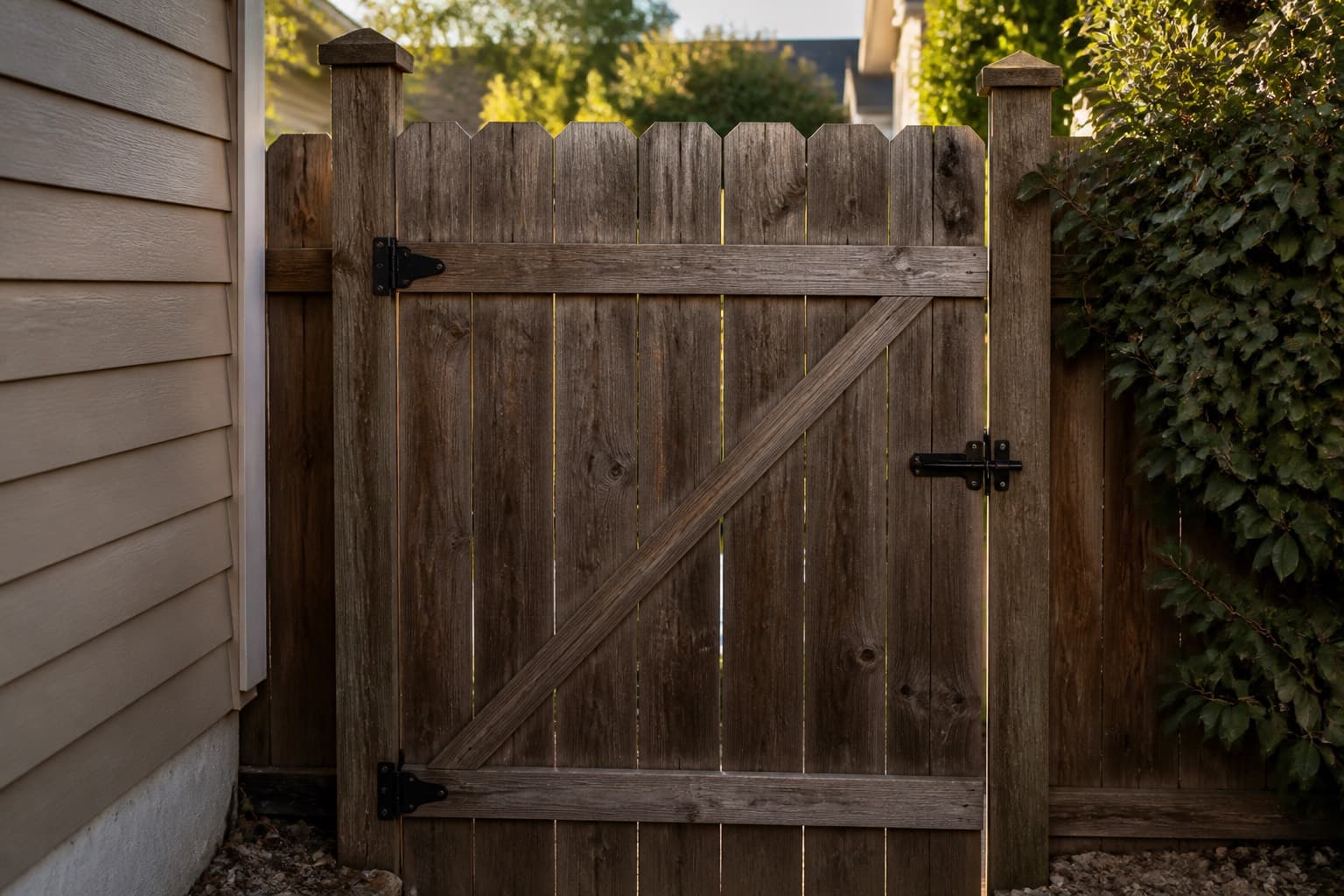
Property access is part of the job, not a last-minute favor. A loose dog, locked gate, missing code, blocked path, or unexpected person in the work area can expose workers, customers, pets, and property to avoidable harm.
A good lawn care access policy tells everyone what must happen before arrival, what the crew will do when conditions are unsafe, and how the office will handle a skip. Put the company-wide rule in the service agreement and quote, then keep property-specific details in restricted property notes. Reinforce both during customer onboarding and in job checklists.
Start with a written access policy
Adapt this outline to the services you provide:
- The customer must provide a safe, working entrance to every agreed service area.
- Pets must be indoors or securely separated from the work area before the crew arrives and until equipment is off and gates are closed.
- Workers do not handle animals, climb fences, force gates, enter homes, or improvise access.
- If safe access is unavailable, the crew contacts the designated person and waits [X minutes / no waiting] according to company policy.
- If access is not restored, the crew skips the affected area or visit and documents what happened.
- Any return visit, partial-service charge, or access-failure fee follows the signed agreement.
- Customers must promptly report changes to gates, codes, pets, occupants, hazards, and authorized contacts.
Use language that fits actual operations. Do not promise an exact arrival time if routes only support an arrival window. Do not promise a same-day return unless dispatch can reliably provide one.
The agreement should also say:
- whether a partially accessible property receives partial service or a full skip;
- how the customer will be notified;
- whether the regular schedule continues after a skip;
- when a return visit is available and whether it costs extra;
- how repeated failures can lead to a pause or termination; and
- which party is responsible for securing pets, opening access, and clearing the work area.
Contract wording does not eliminate legal duties or automatically transfer liability. Have a local attorney review your terms, and ask your insurance professional about animal incidents, property damage, workers' compensation, commercial auto, and any required reporting.
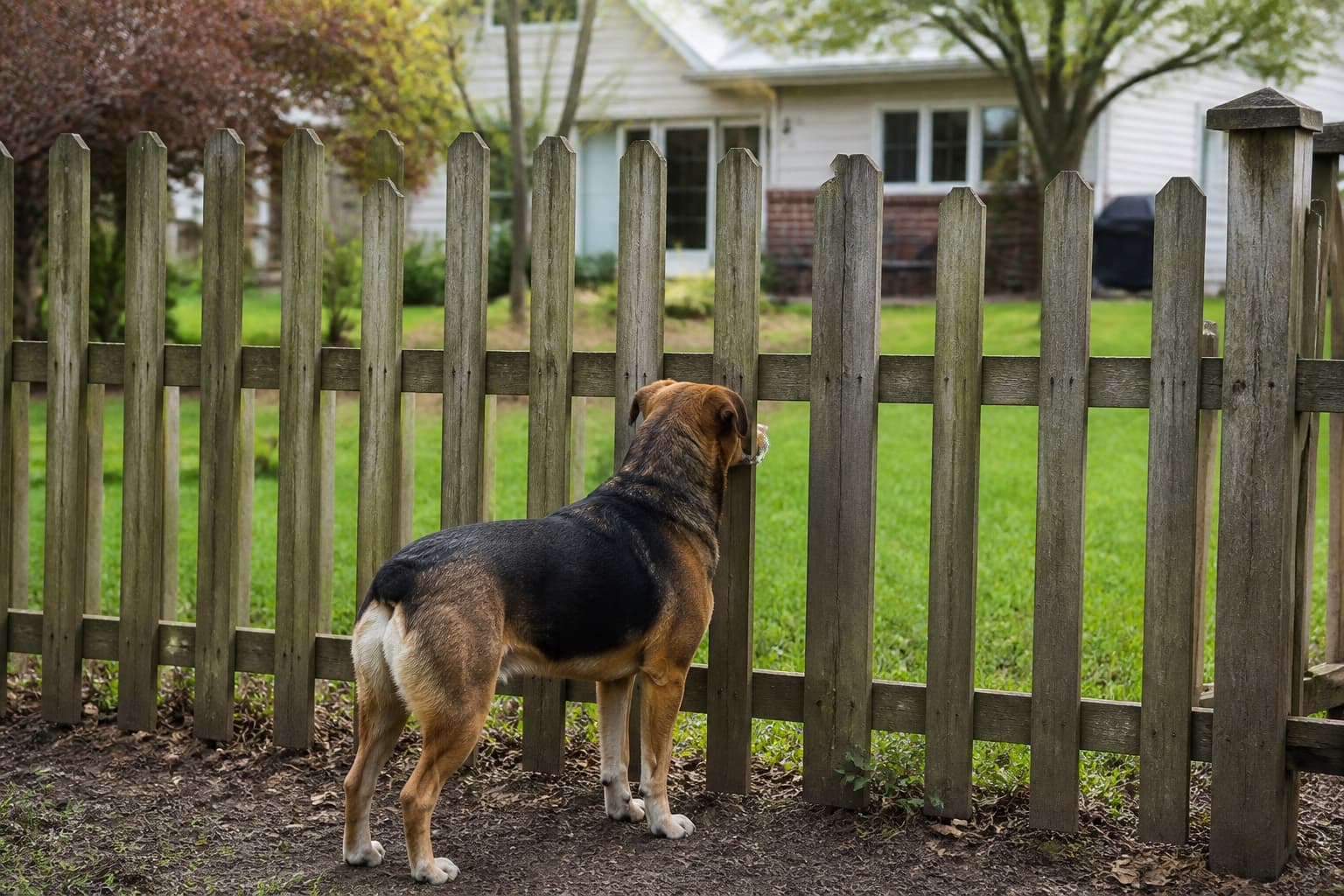
Treat every loose animal as an access stop
Breed, size, and a customer's assurance that a pet is friendly do not tell a worker how the animal will react to a stranger, an open gate, or powered equipment. Workers should not approach, touch, feed, call, chase, corner, leash, or release an animal.
If a pet is in or can enter the work area:
- Stay outside the gate or move to a safe location.
- Stop or shut down equipment when it is safe to do so.
- Contact the designated customer or office contact.
- Ask an authorized adult to secure the animal away from the work area.
- Continue only after the crew can verify safe separation.
- Otherwise, document and skip under the written policy.
Do not split the yard around a loose pet, rely on an invisible fence, or ask a worker to block an animal with equipment. If an animal escapes, workers should avoid pursuit or physical intervention. Notify the customer and office, follow the company's emergency procedure, and contact local emergency or animal-control services when the circumstances require it.
Customer message when a pet is loose
We are at [address], and a pet is in or can reach the work area. For everyone's safety, we will not open the gate or begin work there. Please secure the pet indoors or in another area and reply by [time]. If safe access is not available, we will follow the skip and fee terms in your service agreement.
Office message after a skip
We could not safely access [area] at [address] on [date/time] because a pet was not separated from the work area. We [skipped the affected area / skipped the visit]. Your next scheduled service is [date]. [Any fee or return option] is being handled under section [X] of your agreement.
Keep the message factual. Do not speculate about temperament, blame the customer, or debate the rule with a worker waiting at the property.
Manage gate codes as sensitive access information
A gate code can grant physical access to a home or business. Collect only what the job requires, explain how it will be used, and store it in a system with appropriate access controls. Avoid group messages, paper route sheets left in vehicles, personal contact entries, screenshots, and notifications that expose the code on a lock screen.
Useful safeguards include:
- role-based access limited to assigned office and field staff;
- unique codes for the lawn service when the customer's system supports them;
- an audit trail for viewing and changing credentials;
- device passcodes, account protections, and prompt removal of former workers;
- no code in marketing messages, invoice descriptions, or customer-visible public fields;
- a retention rule for deleting credentials when service ends; and
- periodic confirmation that the method and authorized contact are still current.
Privacy, surveillance, employment, and data-breach requirements vary. Follow applicable law and your privacy policy, and obtain local advice if you store access credentials or employee activity logs.
| Access method | Property record | Crew action if it fails |
|---|---|---|
| Keypad | Gate location, current code, special closing step, last-confirmed date | Do not guess or repeatedly try codes; contact the listed person |
| Manual latch | Gate location and ordinary opening method | Do not force, lift, dismantle, or repair it |
| Lockbox | Location, authorized use, key return steps | Do not leave it open or take a key beyond authorized use |
| HOA or site remote | Assigned remote and approved vehicle | Do not borrow an unrecorded credential or follow another vehicle through |
| Customer meets crew | Contact, arrival window, agreed wait rule | Wait only as policy allows, then document and skip |
When a code changes, replace the active value and record that it was updated without leaving obsolete credentials visible to field users. Never include a real code in training material, screenshots, or incident examples.
Locked, damaged, or unexpected gates
A locked or stuck gate is not permission to climb, force, bypass, or repair it. Those actions can injure a worker, release a pet, damage property, or enter an area the customer did not intend to authorize.
The crew should:
- verify the correct entrance without trying neighboring gates;
- make the normal authorized attempt;
- remain outside if the gate does not work;
- contact the designated person through the approved channel;
- photograph the condition only from a safe, lawful location and only if company policy permits; and
- follow the documented wait, partial-service, or skip rule.
Never tailgate through a controlled entrance, ask a child or neighbor for access, accept an unverified code from a bystander, or enter a residence to retrieve a key. If a customer remotely opens a gate, confirm pets and people are still secured before entering.
Include paths, vehicles, toys, and irrigation
Access includes the route used by workers and equipment. During the quote, identify narrow gates, steep slopes, long carries, low branches, damaged steps, pool areas, utility hazards, and equipment limits. Account for material access time in the quote, job price, and crew schedule.
| Condition | Safer field response | Office follow-up |
|---|---|---|
| Vehicle blocks the equipment path | Do not squeeze equipment through or risk contact | Ask the customer to move it; apply the partial or skip term |
| Toys, hoses, furniture, or pet waste remain | Follow the contract's clear-work-area rule; do not handle hazardous items | Document the affected area and send a reminder |
| Back gate is locked but front is open | Service only authorized, safely accessible areas | Record partial service and charge only as the agreement allows |
| Irrigation is running or turf is saturated | Avoid unsafe footing, spray exposure, and preventable rutting | Document, reschedule, or skip under weather/access terms |
| Unknown person is in the work area | Pause and confirm authorization through the listed contact | Escalate concerns; do not confront or enter |
State whether workers move ordinary objects and what they will never move. Customers should clear the work area before arrival; workers should not move vehicles, chemicals, weapons, animal waste, heavy furniture, or anything they consider unsafe.
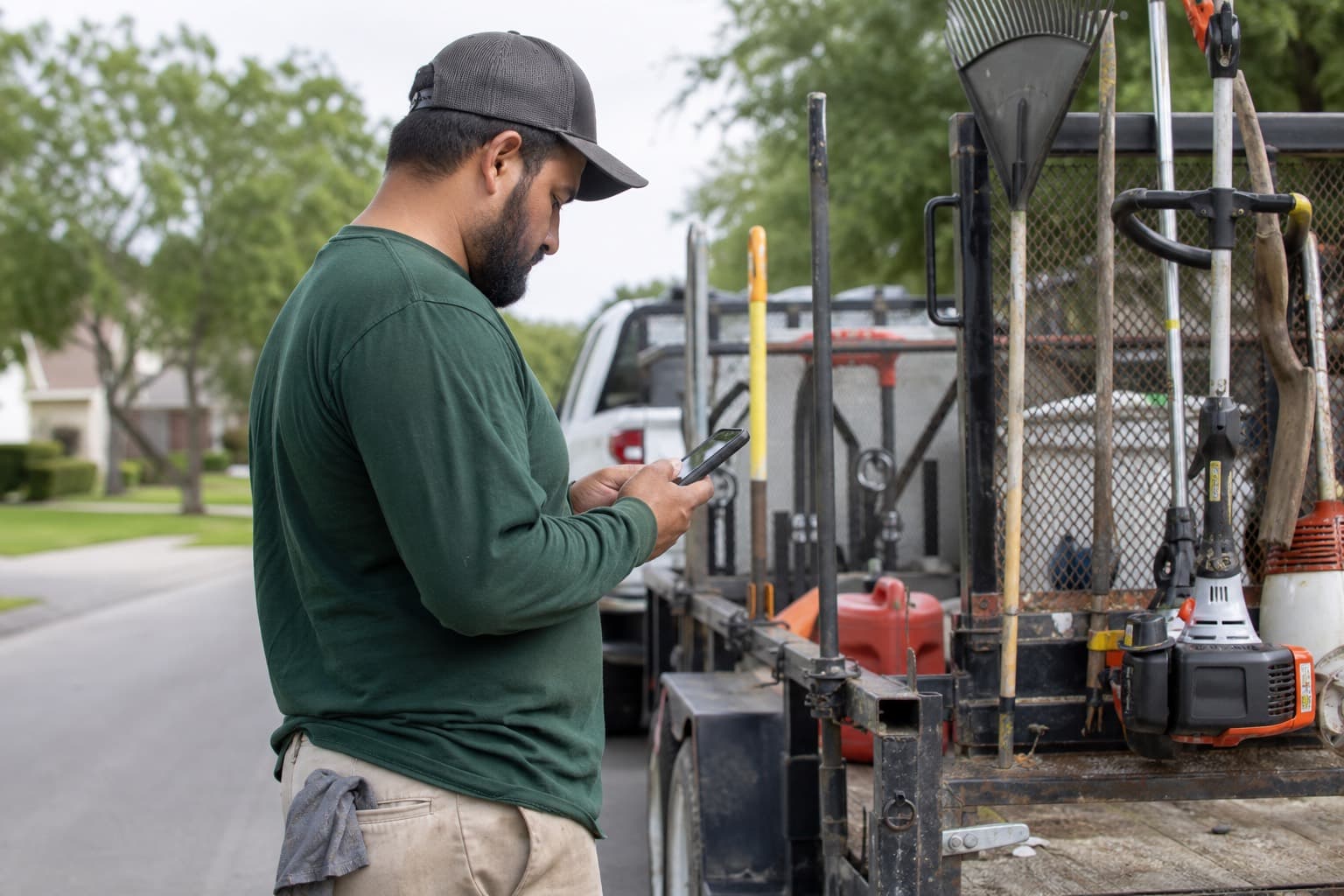
Make skips and fees predictable
A skip policy works best when it is specific, accepted before service, and applied consistently. Define:
- what counts as customer-caused lack of access;
- whether the entire visit or only the blocked area is skipped;
- the notice and wait procedure;
- whether the next regular visit proceeds as scheduled;
- whether a return visit is offered;
- the amount or method for calculating any fee;
- exceptions when the company caused the failure; and
- what happens after repeated failures.
Do not invent a fee after arriving. If the crew used the wrong code, went to the wrong gate, arrived outside the agreed window, or missed a documented instruction, correct the company error rather than treating it as a customer-caused skip.
Fees must be reasonable, clearly disclosed, permitted by the contract, and lawful where you operate. Rules for recurring services, cancellation, automatic renewal, notice, and consumer fees differ by jurisdiction. Local legal advice is more reliable than copying another company's terms.
Scripts for common access problems
Customer asks the crew to work around a pet
We cannot work where a pet is loose or can reach the crew. Please have an authorized adult secure the pet away from the work area. If that cannot be done within our access window, we will follow the skip terms in your agreement.
Customer does not want to provide a code
You do not have to provide a code, but we do need an agreed, reliable way to access the service area. We can discuss another method, such as meeting the crew during the service window. Any recurring wait or special access requirement must be included in the service plan.
Gate is locked
We could not access [area] through the agreed entrance at [time]. We did not climb or force the gate. Please contact us by [time] if access can be restored; otherwise, today's service will be handled under section [X] of your agreement.
Repeated access failures
We were unable to access [address/area] on [dates]. To protect your property, pets, and our crew, service is paused beginning [date]. We can review reinstatement after you confirm a reliable access method and acceptance of the service terms.
If the problem continues, use the written suspension or termination process rather than making exceptions at the gate. See how to end a lawn care customer relationship.
Document failures, injuries, and damage
Routine access failures and safety incidents need different levels of response. For every failed access attempt, record:
- date, time, address, and affected service area;
- objective condition observed;
- authorized access method attempted;
- contact attempts and responses;
- photos or video permitted by policy and law;
- work completed, omitted, or stopped;
- fee, credit, return, or next-visit decision; and
- the correction required before service resumes.
If a person is injured, an animal escapes or is injured, property is damaged, or a threat occurs, prioritize emergency assistance and move people away from continuing danger. Notify the office promptly, preserve original records, identify witnesses, and follow insurer, workers' compensation, occupational safety, animal-control, law-enforcement, and contractual reporting requirements as applicable. Do not admit fault, conceal facts, alter notes, or post about the event publicly.
Managers should contact their insurer or legal adviser promptly when an incident may become a claim. Reporting deadlines and required notices vary, so the company procedure should list current contacts instead of leaving the crew to research them during an emergency.
After the immediate response, correct stale notes and review whether the policy, training, equipment, or customer agreement needs to change. Keep incident records according to a documented retention policy rather than deleting them during routine note cleanup.
Keep property records current
Review access information at signup, after every failure or incident, when the customer reports a change, and on a regular schedule. A useful lawn care CRM record distinguishes current instructions from historical events and limits sensitive details to people who need them.
Before dispatch, the assigned crew should be able to answer:
- Which entrance is authorized?
- Are pets present, and what separation must the customer provide?
- Are there known hazards or equipment limits?
- Who is the designated contact?
- What is the wait or no-wait rule?
- What should be skipped if access fails?
- Where is the incident and escalation procedure?
Train these rules with realistic scenarios, give workers stop-work authority, and reinforce that production targets never override safety.
Keep access details with the job
MowProHQ can keep customer, property, scheduling, and job information together so office and field teams can work from the same current record. Review current options on pricing, or sign up to set up your workflow.
Frequently asked questions
- What should a lawn care dog policy say?
- Require customers to keep pets indoors or otherwise securely separated from the work area before the crew arrives. If an animal is loose or may reach the crew, workers should stay outside the area, contact the customer, and follow the written skip procedure. The policy should also explain notice, return visits, fees, and repeated access failures.
- Where should a lawn care company store gate codes?
- Use a restricted property record or credential system instead of group texts, personal contacts, or general job notes. Give access only to people who need it, avoid displaying codes in notifications, record changes, and remove access when a worker no longer needs it.
- Can a lawn care company charge when a gate is locked or a dog is loose?
- A disclosed trip or access-failure fee may be appropriate when the customer did not provide agreed access and the contract allows it. Apply the rule consistently, document the failed visit, and do not charge for a failure caused by the company's own outdated record or mistake. Local contract and consumer laws may affect what is allowed.
- Should a lawn crew let a customer's dog outside or move it?
- No. Lawn crews should not handle, release, restrain, feed, or relocate a customer's animal. Ask the customer or another authorized adult to secure the animal away from the work area. If that does not happen, skip the affected area or visit under the written policy.
- Should crews climb a fence when a gate is locked?
- No. Workers should not climb, force, bypass, or repair a gate to complete routine service. They should remain in a safe location, notify the designated contact, document the access problem, and follow the company's wait or skip rule.
- What should be documented after an access or pet incident?
- Record the date and time, location, people and animals involved, objective observations, messages or calls, photos taken from a lawful and safe location, service completed or skipped, and any injury or damage. Preserve relevant records and promptly follow the company's emergency, insurer, and reporting procedures.