MowProHQ Blog/Growth
How to Start a Landscaping Business Without Taking On Too Much
A practical first-season plan for selling landscape maintenance, bed work, and small installs without overbooking your crew or underpricing materials.
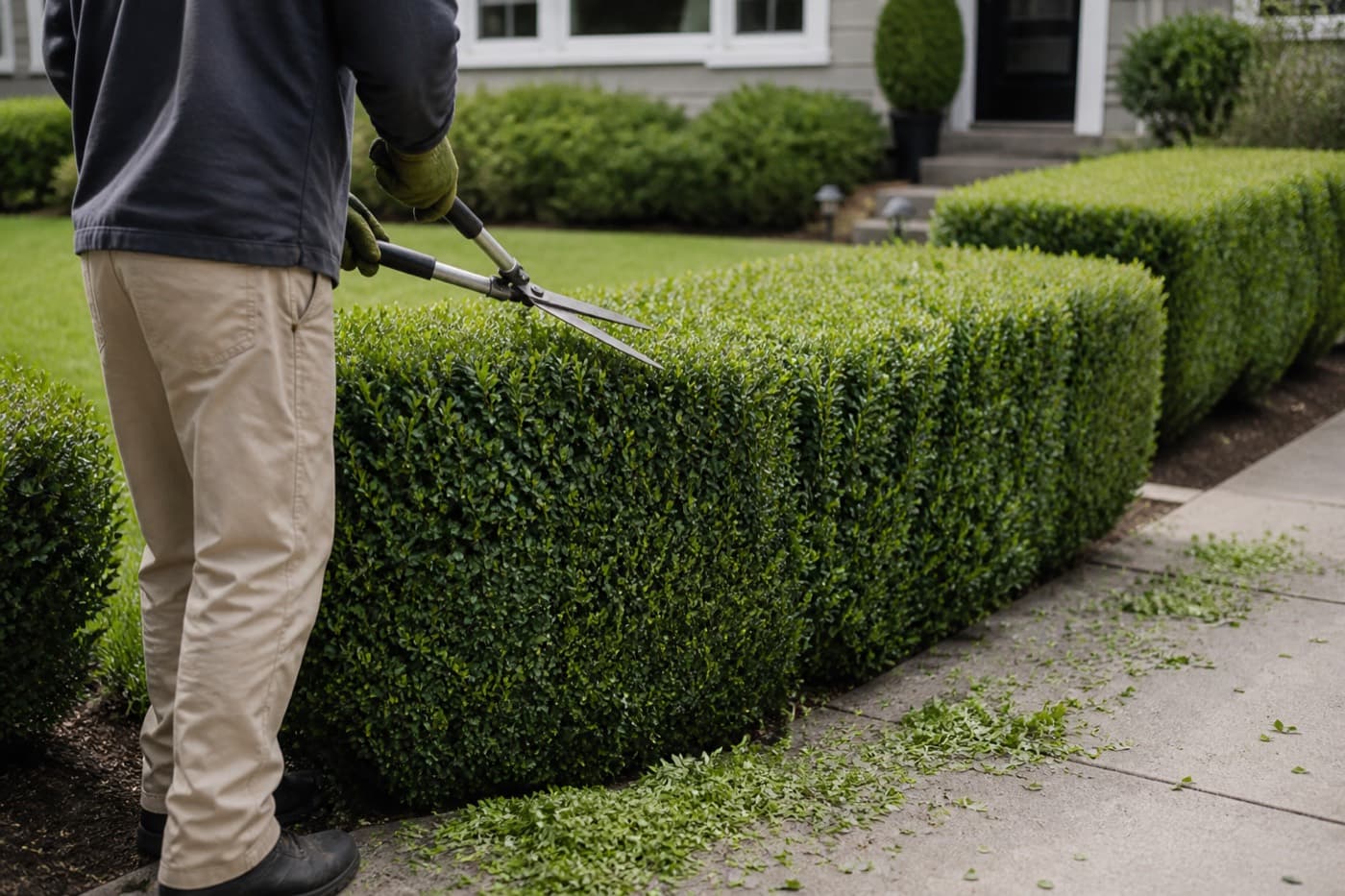
A landscaping business does not need to begin with patios, elaborate designs, or a yard full of equipment. It can start with a few services you know how to price, schedule, and complete well.
That focus matters. Many first-season problems begin with a vague scope, underestimated material costs, or a “quick” install that pushes the regular mowing route back two days. The goal of this guide is to help you start with maintenance and small projects without committing to work your business is not ready to handle.
If you are still deciding whether mowing or landscaping should be your main service, start with lawn care vs landscaping in year one. If you already run a mowing route, use the starting operations checklist and our guide to startup spending alongside this one.
Start with a short, specific service list
Calling yourself a “full-service landscaper” may sound good in an ad, but it does not tell a customer what you actually do. It can also attract projects that require equipment, experience, or licenses you do not have yet.
A one-truck company is usually better served by a short menu like this:
| Service | Define it clearly | Exclude unless separately quoted |
|---|---|---|
| Bed and shrub maintenance | List the tasks and visit frequency | Redesigns, tree work, and irrigation repair |
| Mulch or rock refresh | Name the beds, material, depth, and quantity | Unplanned planting and extra haul-away |
| Small planting or cleanup | Set the scope, deposit, and completion window | Patios, retaining walls, grading, and lighting |
Some maintenance work can fit alongside a mowing route if you allow enough time for it. A mulch installation is different. It needs a material order, a delivery or pickup plan, somewhere for debris to go, and a dedicated block on the calendar.
Our guide to pricing lawn care add-ons covers smaller extras such as shrub trimming and cleanup. Once a job involves mulch quantities, plant lists, or several hours of labor, give it its own quote.
Work to leave off the menu for now
- Custom design without a design fee
- Hardscaping you do not have experience building
- Tree removal, pesticide applications, or irrigation repair you are not licensed to perform
- Open-ended requests with no plant list, budget, or agreed scope
Turning down the wrong job protects time for the right ones. Distance matters too. The same service-area rules that keep a mowing route efficient apply to landscape work. A small installation 40 minutes away can lose money quickly once you include the estimate, material pickup, installation, and return trips.
Get the legal and insurance details right
Before taking a paid project, talk with an insurance agent and a tax or accounting professional who understands small service businesses in your state. HOAs and property managers may ask for certificates of insurance, and your coverage needs can change when you add employees, trailers, chemical applications, or installation work.
Requirements vary by location and service. Your city may require a general business license, while your state may separately regulate pesticide application, irrigation, tree work, or certain construction projects. If treatments are part of your plan, read about chemical and fertilizer programs and confirm the rules with the appropriate state agency.
Set up a business bank account and a reliable way to save receipts before customer deposits and supplier charges start coming through. You cannot tell whether an installation made money if its materials are scattered across personal cards and missing receipts.
Write quotes that remove uncertainty
“Refresh the front beds” can mean very different things to a homeowner and a crew. A useful quote turns that request into work that can be measured and checked.
What goes on the quote
- The property address and exact work areas
- Bed measurements, material quantity, and assumed depth
- Plant names, sizes, and quantities, or a note that the customer is supplying them
- Preparation, edging, cleanup, and haul-away details
- An estimated start and completion window, including weather delays
- The deposit amount, final payment terms, and accepted payment methods
- Clear exclusions and any plant warranty or watering requirements
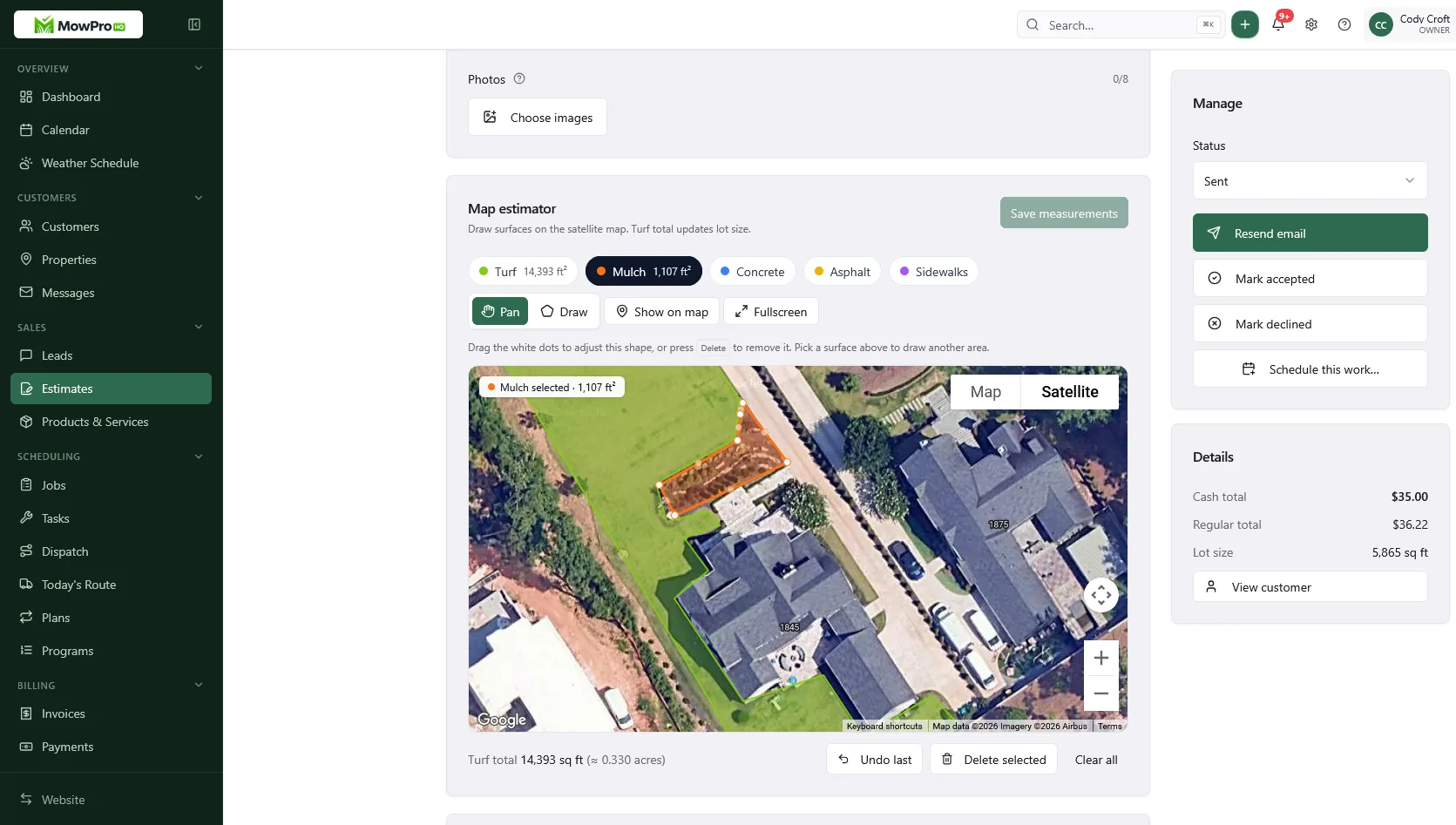
Measure before you price. A satellite measurement can provide a useful starting point for turf and visible beds, but confirm anything that cannot be seen clearly from above. The same principles in writing lawn care quotes apply here: describe what is included, what is not, and what happens if the scope changes.
Worked example: a front-bed refresh
A homeowner wants the front beds cleaned up before a party in three weeks. You measure about 180 square feet and plan for a 2-inch layer of mulch. After allowing for waste, the quote includes 1.5 cubic yards, trimming six existing shrubs, defining the bed edges, and hauling away the debris. New plants are not included.
Labor is estimated at half a day for two people. You build the price from your minimum hourly rate, materials, delivery or pickup time, and disposal costs. The customer pays a deposit to reserve the date and the balance when the agreed work is complete.
Compare that with texting “probably around $600,” buying materials by sight, and deciding the details after work begins. That approach may feel faster, but it leaves you responsible for every assumption the customer made.
Use deposits to protect project cash flow
Recurring mowing can usually be invoiced after the visit. Landscape projects often require you to buy materials first. A deposit keeps your business from financing every customer's job and confirms that the customer is ready to proceed.
Collect the deposit before ordering nonreturnable materials, then send the final invoice as soon as the agreed scope is complete. If your pricing differs by payment method, disclose that before approval and use the same cash and card pricing policy across your services.
Give projects real space on the calendar
A maintenance visit may fit on a route. A mulch installation rarely fits “between two lawns.” Put projects on the schedule with enough time for loading, travel, installation, cleanup, and the unexpected.
Scheduling rules that protect recurring work
- Recurring bed maintenance gets a cadence, the same way a mow gets a recurring plan.
- Every installation gets an assigned day, crew, and realistic time block.
- Avoid booking projects on your busiest mowing day unless another crew can cover the route.
- Explain in the quote how rain and saturated ground can affect the schedule. Your weather rescheduling policy should cover projects as well as recurring visits.
Keep access instructions, pets, irrigation locations, and customer requests on the property record. The crew should not have to search old text messages before digging near a sprinkler head.
In MowProHQ
Start with the customers you already serve
If you already mow lawns, your current customers are the natural place to introduce landscape services. They know your work, and you already know their properties. Offering bed maintenance or a mulch refresh to several customers on the same street is often more efficient than advertising across the whole county.
Keep a few boundaries in place:
- The mow package stays mow, edge, and blow. Beds are a line item. See what a mowing service includes.
- Put small extras on the menu instead of repeatedly doing them at no charge.
- Focus on one neighborhood at a time when possible. Material-heavy work becomes much easier when jobs are close together.
- Ask satisfied customers for referrals, especially when you are already working nearby.
Your Google Business Profile should reflect the services you are prepared to sell. Choosing “landscaper” can bring installation leads, so make sure your service list, photos, and capacity match the calls that category may generate.
A practical first 90 days
Use the first three months to build a repeatable process. A small number of well-priced, completed jobs will teach you more than a long list of services on a flyer.
Days 1–14
| Milestone | Done looks like |
|---|---|
| Service list | A few clear offers with written exclusions |
| Suppliers | Current pricing, pickup or delivery terms, and a reliable contact |
| Quote template | Measurements, materials, deposit, and schedule window |
| Insurance and licensing | The people advising you know exactly what work you plan to perform |
| Customer records | Each job is attached to the correct customer and property |
Days 15–45
- Complete several paid jobs using the same deposit and final-invoice process.
- Keep recurring mowing visits on schedule. If every install disrupts the route, adjust the project calendar.
- Save measurements and before-and-after photos to the property record.
- Review estimated versus actual labor and material costs after each job. Update the next quote when your assumptions were wrong.
Days 46–90
- Put repeat maintenance visits on a recurring schedule.
- Know your true cost per cubic yard after delivery, waste, labor, and haul-away.
- Keep declining complex work until the team can handle it without compromising existing customers.
- Review your service area and turn down distant one-off jobs that are consistently unprofitable. Adding another truck will not solve a scattered schedule.
What to ignore
- Building a large design portfolio before you have a reliable installation process
- Buying specialized attachments before booked work justifies them
- Matching a competitor's price without knowing their scope or your own costs
- Creating a separate brand before there is a clear business reason for one
By the end of the third month, you should be able to answer three basic questions about every project: What exactly did we promise? What did the job really cost? Has the customer paid the balance? Those answers matter more than how established the truck looks.
How MowProHQ helps
MowProHQ keeps mowing and landscape work connected to the same customer and property. You can build a quote, schedule the job, save property notes, and send the invoice without creating a second record for the same yard. Estimates also include property measurement tools for getting a starting point on turf and bed areas.
See current plans and pricing, or create an account when you are ready. Software cannot make an unprofitable service profitable, but it can help keep the scope, schedule, and amount due together from the first quote through final payment.
Frequently asked questions
- What do I need to start a landscaping business?
- Start with a short list of services you can deliver well, a reliable way to measure beds and price materials, and a clear quote and deposit process. You also need to sort out your business structure, licenses, and insurance with qualified professionals in your state. Expensive equipment and a full design service can wait.
- Should a new landscaping business start with maintenance or installs?
- For most new companies, maintenance and small, clearly defined installs are the safest place to start. Bed maintenance, mulch, shrub trimming, cleanups, and simple planting jobs are easier to estimate and schedule. Consider larger installs and hardscaping only after your quoting, deposit, and scheduling processes are working consistently.
- Do I need to be a landscape designer to start?
- No. You can build a solid first-year business around maintenance and straightforward installs with a written scope and reference photos. If a customer needs a master plan, engineering, or permit work, refer the project or charge for design only if you are qualified to provide it.
- How is starting a landscaping business different from starting a mowing route?
- Mowing usually involves a repeating visit at a set price. Landscaping projects add materials, longer schedule blocks, deposits, and a defined start and finish. You can use the same customer and property records, but the quote and billing process need more detail.
- What should a landscaping startup sell in the first season?
- A simple opening menu might include recurring bed maintenance, mulch or bed refreshes, and small planting or cleanup projects. Keep patios, landscape lighting, tree removal, and other specialized work off the menu until you have the right experience, crew, insurance, and licenses.
- When should a landscaping startup add hardscape?
- Add hardscaping after you can estimate and complete smaller projects profitably, your supplier relationships are established, and your insurance and licensing cover the work. You should also have enough crew capacity to handle a long project without neglecting recurring customers.