MowProHQ Blog/Communication
How to Handle Pest-Control Leads While Technicians Are Working
A practical process for capturing missed calls, collecting useful lead details, and following up without interrupting pest-control treatments.
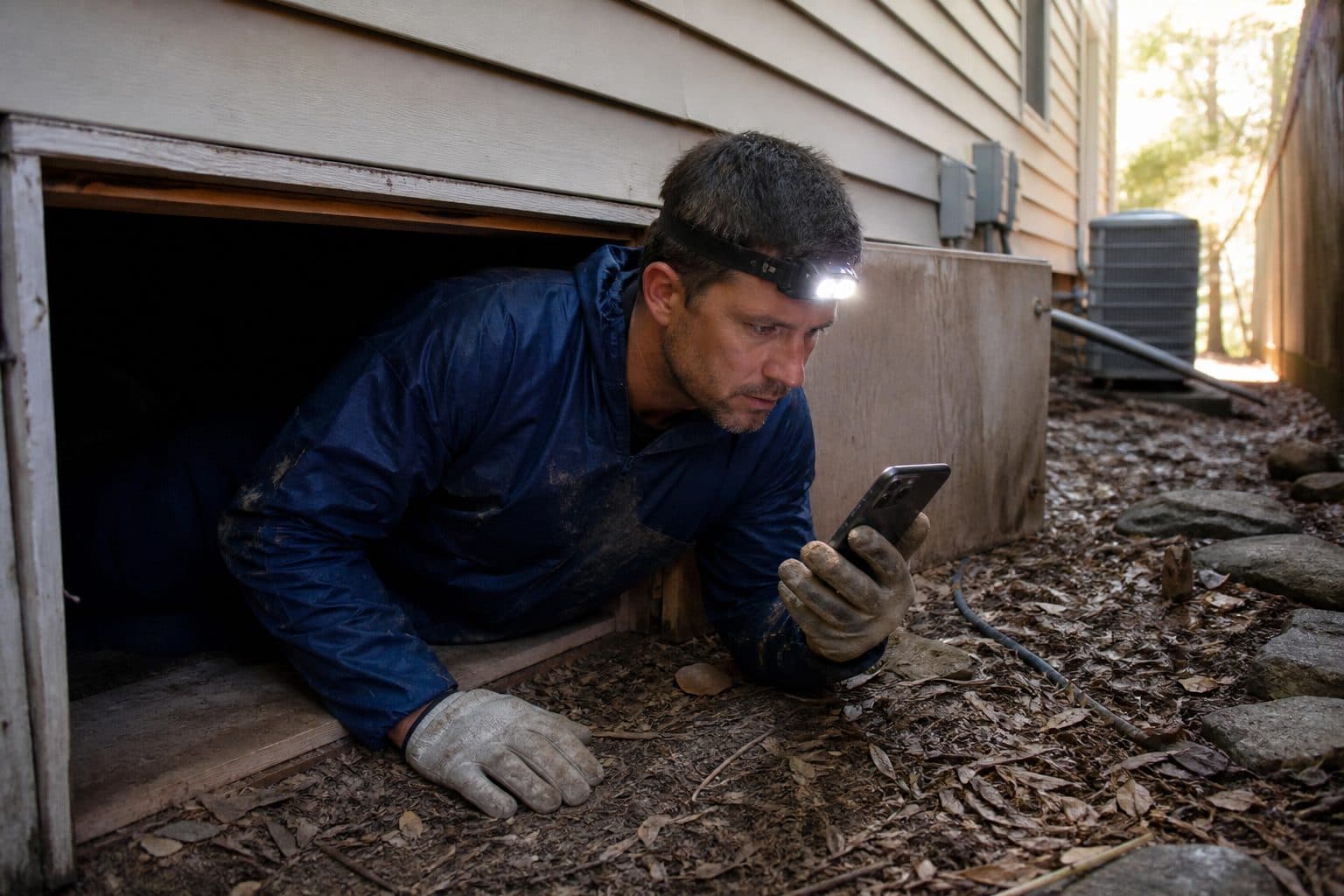
Pest-control technicians cannot safely or professionally answer every sales call while mixing products, working in a crawlspace, or speaking with the customer in front of them. Without a clear capture and follow-up process, those missed calls can become lost leads.
This guide explains when technicians should ignore the phone, what information to collect from a new lead, how a shared company number helps, and how the request becomes a written quote. The broader workflow is covered in pest-control software for small residential routes.
Crawlspace days leak revenue
Pest work hides the phone on purpose. Mix, PPE, low clearance, and a homeowner standing in the driveway already split attention. A sales call in that moment produces three bad outcomes:
- You ignore it — lead gone
- You answer half-way — you quote a number you cannot defend
- The tech answers — treatment quality drops and the quote still is not written down
Treat new inquiries as an office workflow and the current visit as a field responsibility. A technician can review the shared inbox once the treatment is safely complete.
Who owns the ringer
| Call type | Who should handle it | Why |
|---|---|---|
| New quote request | Office, shop number, or receptionist | Needs address and a written quote |
| “You’re late” / access | Tech or dispatch, short | Changes the next 20 minutes |
| Billing question | Office | Numbers need a record |
| Emergency swarm / nest | Dispatch, then nearest tech | Still a billed trip unless you wrote otherwise |
| After-hours | Shop number or AI receptionist | Personal cells become the company |
If every call goes to the owner's personal cell, define business hours and an after-hours capture process before the volume becomes unmanageable.
Put the number on something the shop owns
A personal cell works until it does not: new device, seasonal helper, vacation, or a tech who leaves with the Google review asking for “Mike’s number.”
Move inbound to a dedicated line. Forwarding your cell to a shop number is a start. Leaving every lead in iMessage is not.
Minimum:
- One public number on the site, truck, and invoices
- An inbox more than one person can open
- A rule that techs do not negotiate scope from the hatch
- The decision copied onto the customer record the same day
Conversations provides a shared place for customer threads. A dedicated business number or AI receptionist can add call capture when the team cannot answer, depending on the plan and current pricing.
A missed-call text gives the caller an immediate way to provide details without waiting for voicemail. Confirm how any provider defines a billable call or conversation before choosing a usage-based plan.
What to capture before you quote
Do not price from a message that only says “bugs.” Collect enough information to quote the house using a repeatable process.
First-contact fields:
- Service address (not just a callback number)
- What they are seeing, and where (kitchen vs foundation vs attic)
- Interior permission and pets
- One-off vs interest in a program
- How they found you
- Best window to send the quote or walk the exterior
The receptionist or the text thread can collect that. The estimator still outlines the House on the map and writes visit type, exclusions, and Regular vs Cash. Cadence and trip fees belong on how to price quarterly pest service.
Script the first reply once
Use a short, consistent response rather than writing a new message each time.
Missed-call text
This is [Company]. We missed your call — we were on a treatment. Reply with your address and what you are seeing (ants, rodents, wasps, interior or exterior). We will send a written quote.
After-hours / receptionist handoff
Name, address, pest, interior vs exterior, pets, and whether they want a one-time trip or a recurring program. Do not quote a quarterly price on the call unless it is already on the rate card for that visit type.
Cannot talk — tech in crawl
We are on a stop and will follow up from the office number within [window]. If this is an access issue for today’s visit, text the gate/hatch change here.
If the message needs a paragraph, it is not a text. If it changes money, it becomes a quote.
Speed without driveway guesses
House-wash and pest leads both go cold. The difference is you should not invent a quarterly from the curb while covered in insulation.
A workable SLA:
- Same morning for missed calls during the season
- Same business day for after-hours requests that landed in the inbox
- A written quote or a scheduled walk within one business day
- No price in a voicemail that cannot become a job
A prompt, clear quote often performs better than a fast verbal guess. It should identify the property, visit type, exclusions, and payment terms.
Handoff: inbox → quote → route
A captured lead still needs a clearly assigned follow-up owner.
| Step | Owner | Done when |
|---|---|---|
| Call / text lands | Shop number or receptionist | Thread visible in the company inbox |
| Fields complete | Whoever answered | Address + pest + interior/exterior |
| Quote sent | Estimator | Customer can accept |
| Accepted | Office | Plan or job on the schedule |
| Notes saved | Anyone who heard them | Pets, hatch, interior rules |
If the handoff lives in a tech’s personal thread, the next hire will not have it. How to run recurring pest treatments is what happens after they say yes. This article is how they get the chance to say yes while you are still under the house.
After-hours without living on-call
Residential customers often call after hours because that is when they notice the problem. You do not need to provide an immediate quote, but the request should be captured and acknowledged.
Options that keep the shop intact:
- Voicemail that promises a morning text, plus missed-call text back
- A business number that rings an assigned phone and then sends a text
- A receptionist service that collects the request
- Published hours so customers learn when a human is available
Pick one. Mixing all four without a named owner is how two people quote the same house and nobody follows up.
An automated receptionist does not replace dispatch or estimating. Someone still needs to quote the structure, schedule the visit, and invoice the work. Confirm billing definitions, call limits, and overage terms directly with the provider.
Techs: check between stops, not during mix
Give the field a simple rule:
- Phone on silent during mix, crawl, attic, and interior
- Check the shop inbox at the truck between stops
- Access and “are you close?” messages get a short reply
- New quotes get a “office will send a written estimate” — not a number from memory
If employees check messages between stops, account for that time in their workload. Document the completed treatment before moving on to new inquiries.
Website and Google are not an inbox
A form that emails a personal Gmail is the same failure as voicemail. Quote requests should land next to customers and follow-up.
Connect website requests to the same company inbox used for calls and texts. Publish the business number rather than an individual technician's cell so customer history remains available to the team.
A 14-day communications reset
| Day | Finish this |
|---|---|
| 1–2 | One public number; remove personal cells from Google and the site |
| 3–4 | Missed-call text template live; inbox more than one person can open |
| 5–7 | First-contact fields required before any price |
| 8–10 | After-hours option chosen: voicemail and text, business phone, or receptionist |
| 11–14 | Measure: missed calls recovered, quotes sent same day, techs not quoting from hatches |
Track recovered leads, not “how many times the phone rang.” If recovered is zero, the number still rings a pocket in a crawlspace.
How MowProHQ catches the call you cannot take
MowProHQ connects Conversations with scheduling, customer records, quotes, and invoicing so lead details are not trapped on one phone. Business-phone and receptionist options can support the same shared workflow when the team cannot answer.
Communication tools do not replace required pesticide reporting or compliance systems. Compare current plans and pricing or create an account to test the lead handoff.
Frequently asked questions
- How do pest companies catch leads while techs are on a job?
- Use a company-owned phone number and a shared inbox that can capture calls and messages while technicians are unavailable. Assign someone to review new requests between stops or within a published response window.
- Should pest techs answer sales calls from the hatch?
- Technicians should not interrupt chemical mixing, crawlspace work, or interior service to handle a sales call. Capture the caller's name, address, pest concern, and preferred callback time, then follow up when someone can review the property and prepare a written quote.
- What is a missed-call text back for pest control?
- A missed-call text automatically replies when the call is not answered, giving the caller a simple way to provide details. The response should appear in a shared company inbox rather than an employee's personal messages.
- How much is a pest control business phone on MowProHQ?
- Pricing depends on the phone, inbox, and receptionist features you choose. Review current plan details and estimate the total from your expected call volume, number of users, and any usage-based charges.
- Does an AI receptionist replace a pest office?
- No. It can answer basic questions and collect lead information, but a qualified person still needs to review the request, prepare the quote, schedule the work, and handle exceptions. Confirm exactly how the vendor counts and bills calls.
- What should you ask a pest lead on the first call?
- Collect the service address, what the customer is seeing and where, whether the issue is interior or exterior, pet information, and whether they want one-time or recurring service. Gather enough detail to choose the correct estimating process.
- Can I keep using my personal cell for pest leads?
- A personal cell may work at first, but it becomes difficult to share and protect as the company grows. Move public calls to a company-controlled number and save important decisions to the customer record.